








Products
Home > Eco Packaging

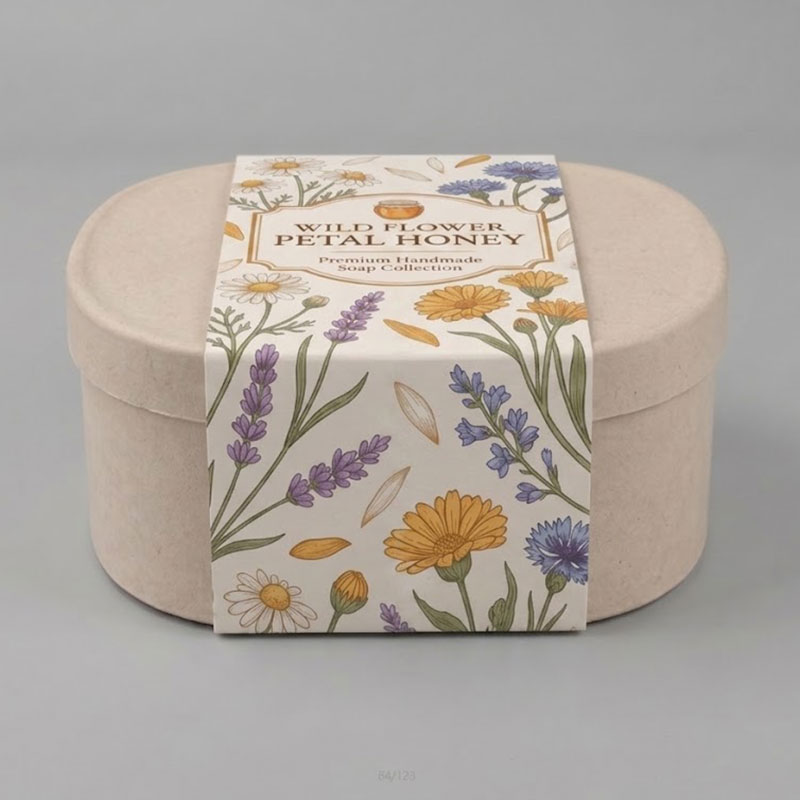
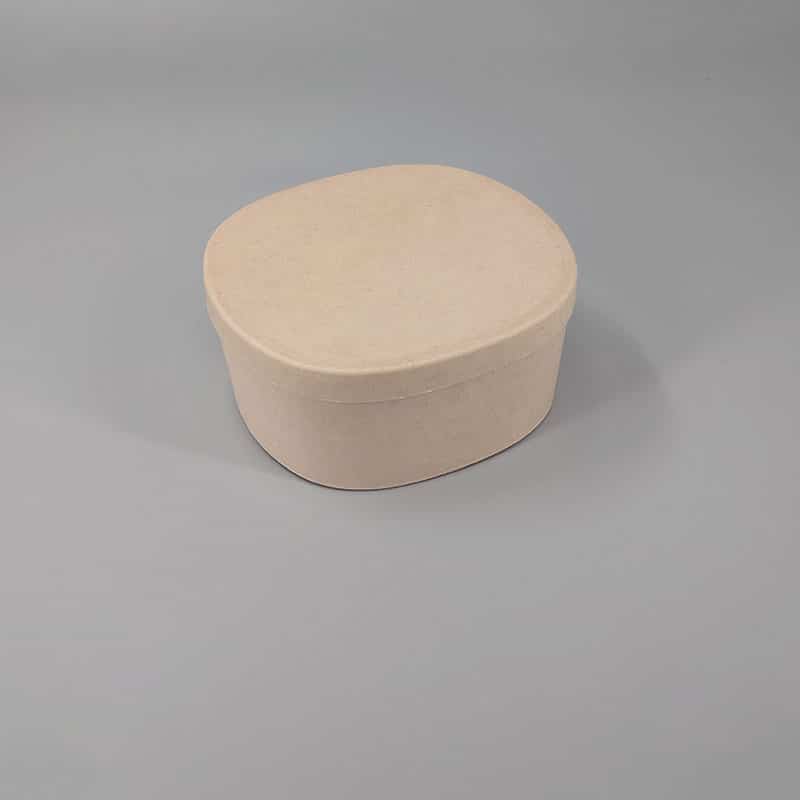
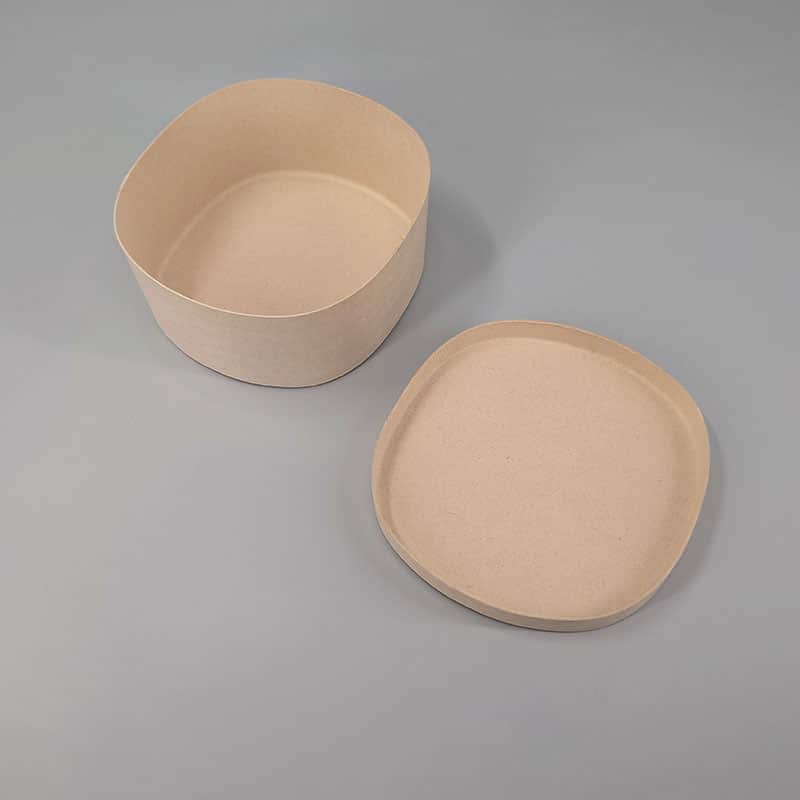
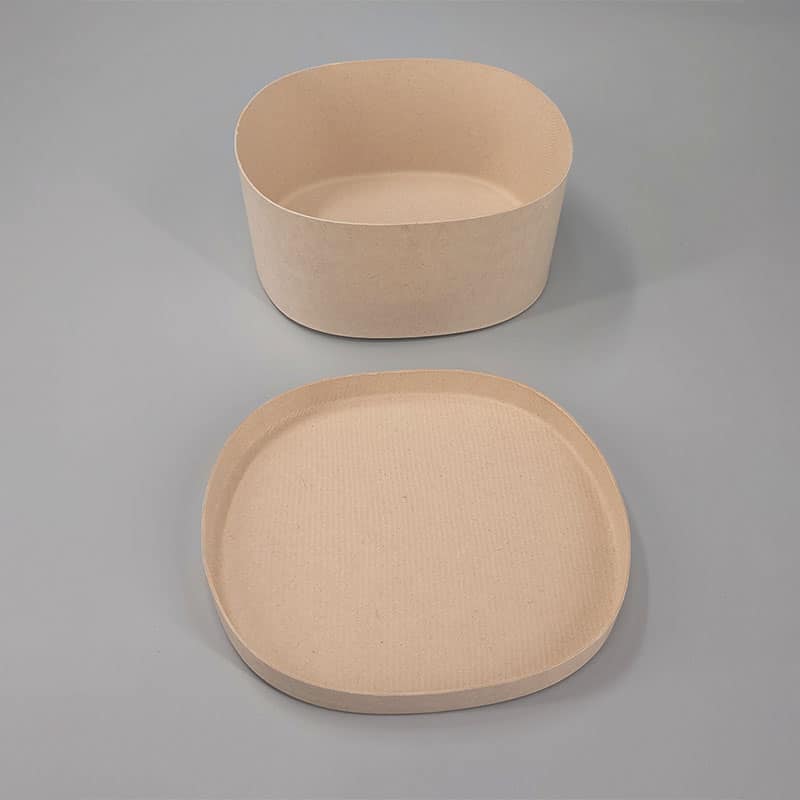
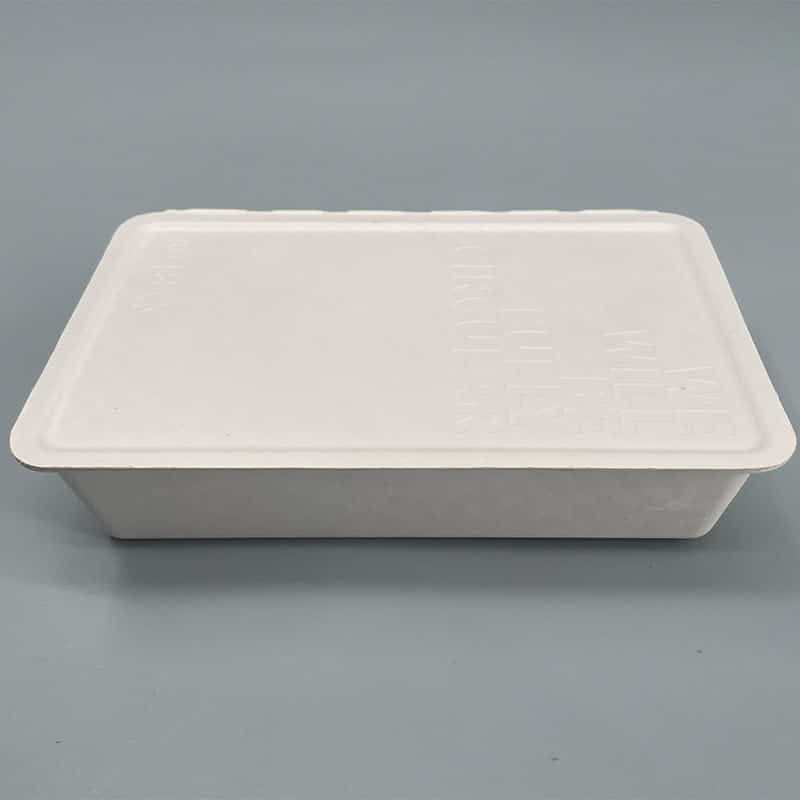
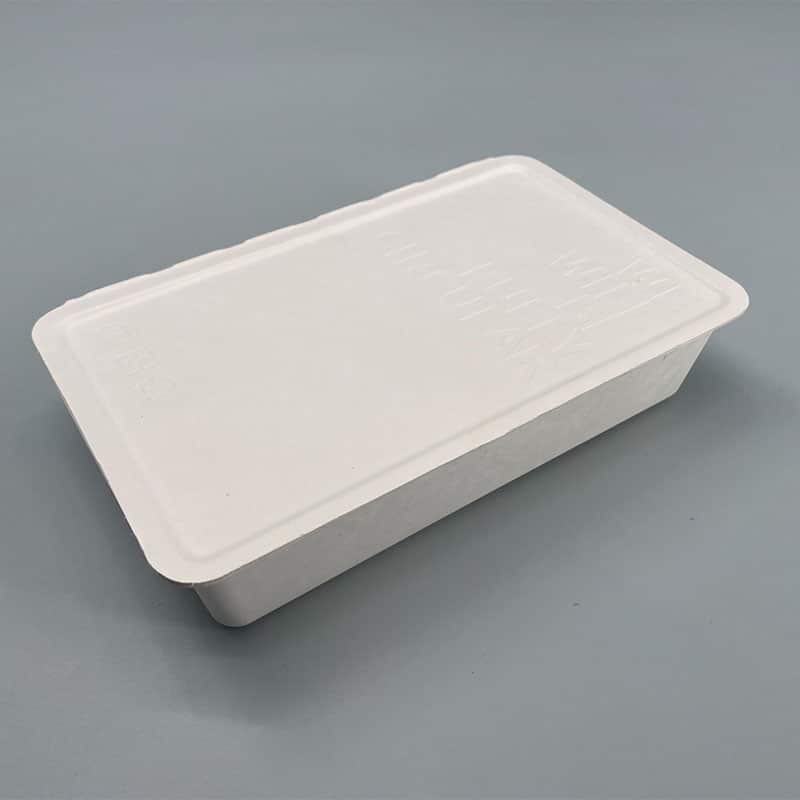
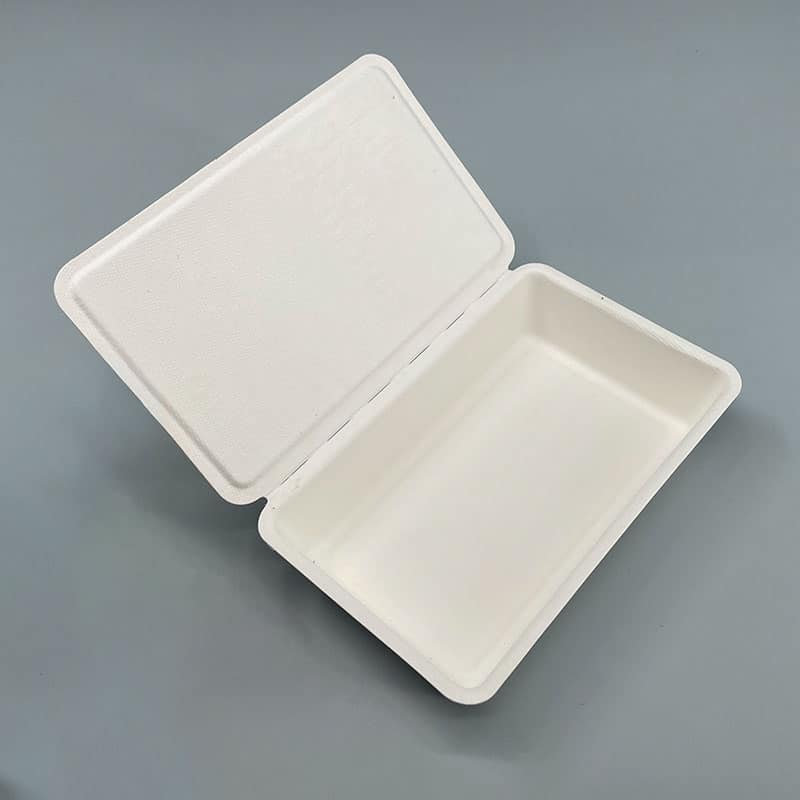
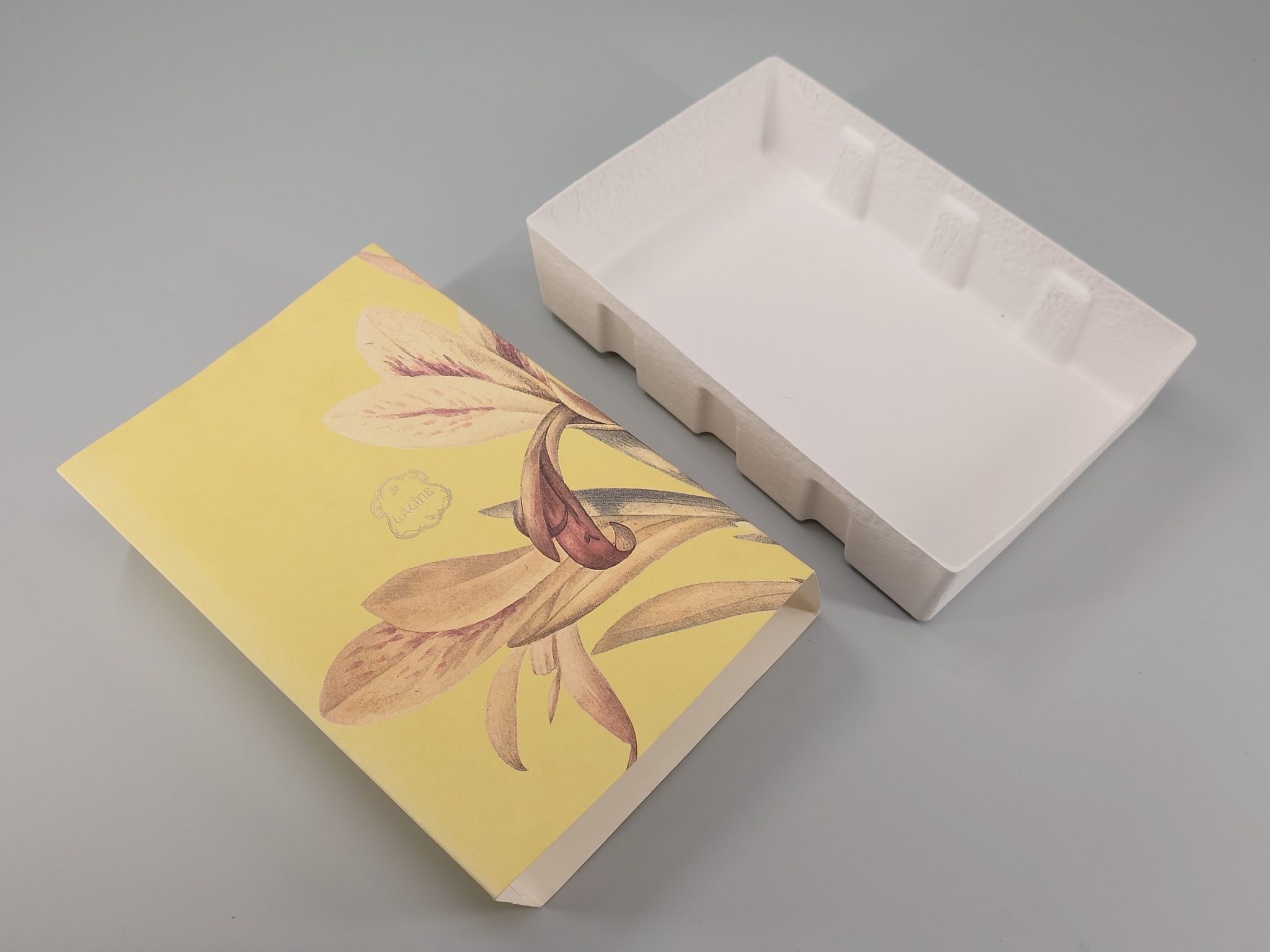
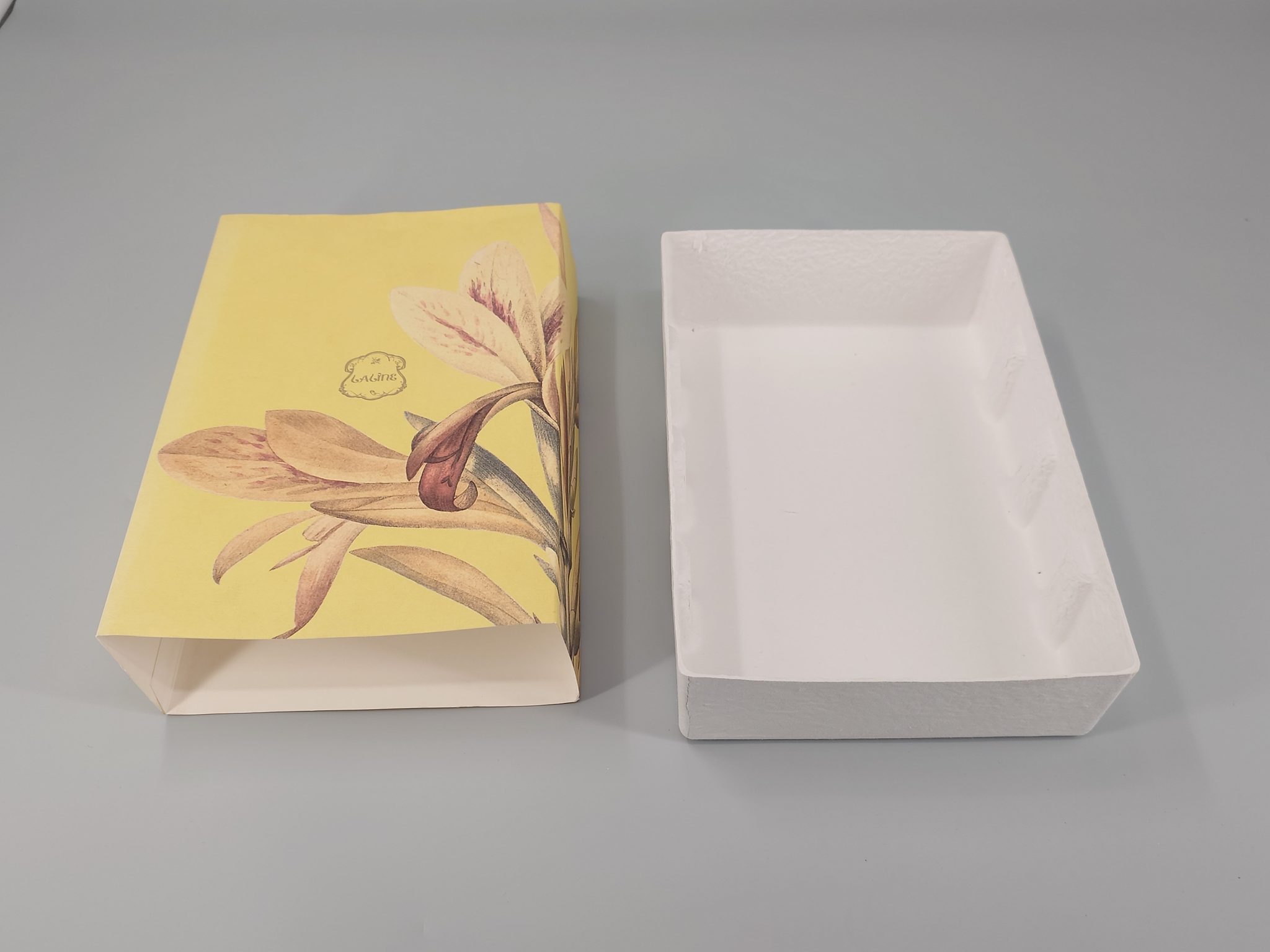
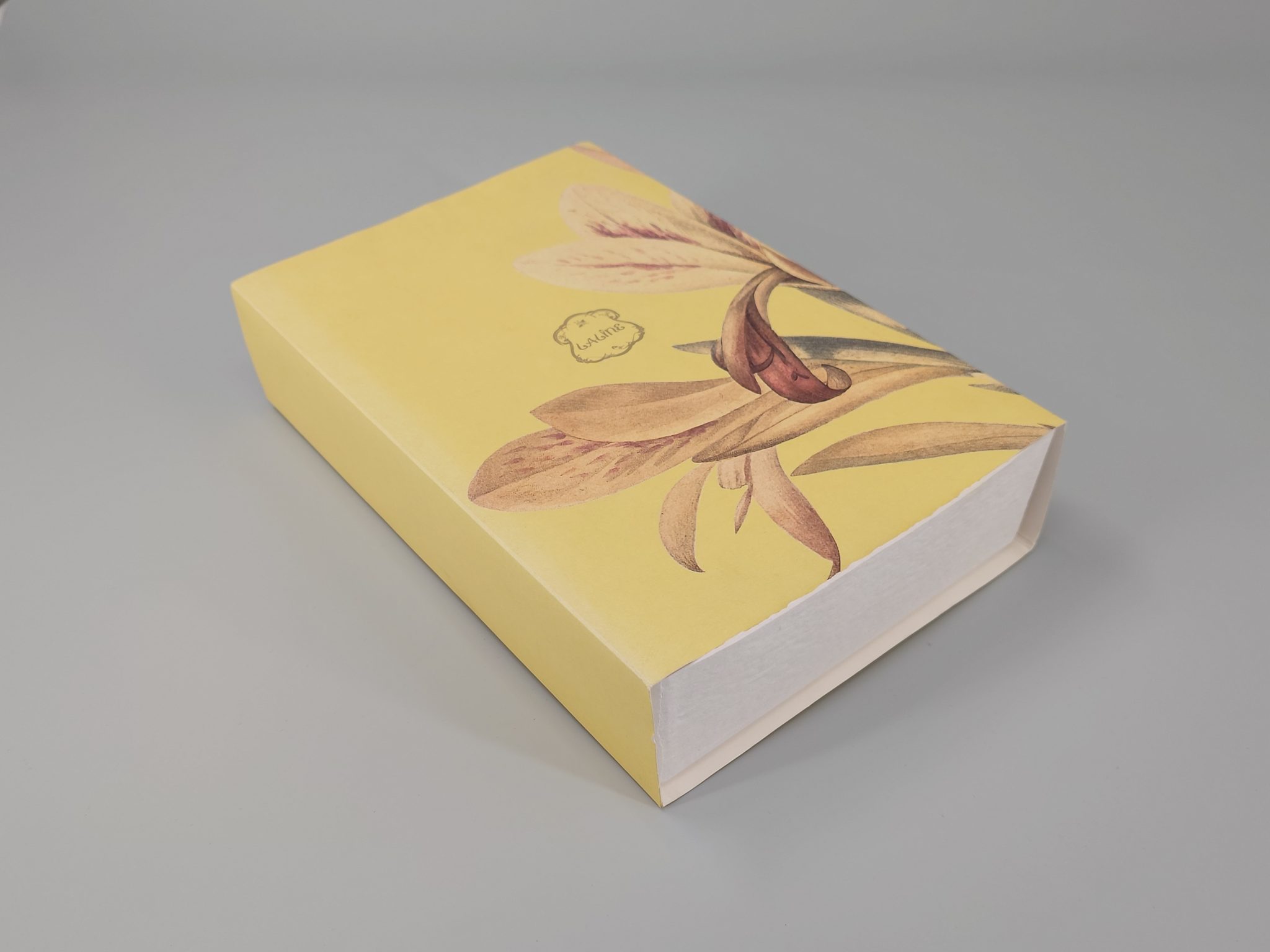
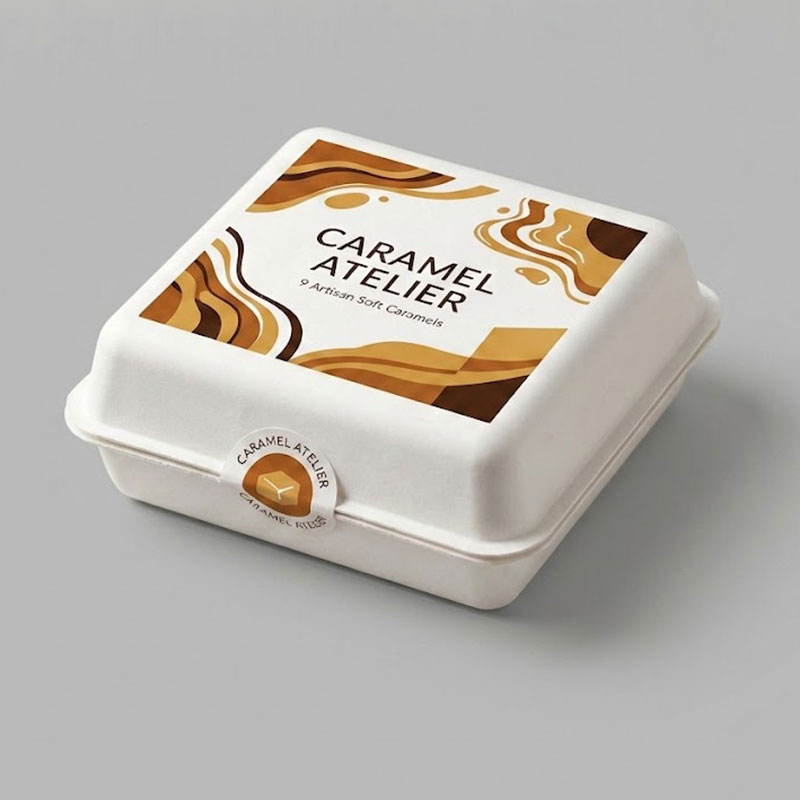
Public Mould Eco Packaging Without Tooling Fee

hello

7 Next-Gen Sustainable Packaging Materials

As the global market shifts away from traditional petroleum-based plastics, discovering the right biodegradable and renewable alternative is crucial for sustainable brand growth. Here is a comprehensive guide to the leading eco-friendly materials reshaping the packaging industry.

01

Bioplastics
(PLA & PHA)

Polymers derived from renewable biomass sources like corn starch, cassava, or sugarcane. They serve as a sustainable alternative to traditional plastics with a significantly lower carbon footprint.

  • PLA (Poly Lactic Acid): 100% degradable into CO2 and water. Non-toxic and biocompatible (FDA approved). Looks and performs similarly to PE, PS, or PP.
  • PHA: A highly compostable thermoplastic produced through microbial fermentation of carbon-based feedstocks.
Applications: Films, bottles, food/deli containers, coffee cups, medical sutures, and compostable tableware.
02

Nanocellulose

A nanoscale biomaterial extracted from plant fibers (wood, bamboo, bagasse) featuring a high aspect ratio and surface area.

  • High Barrier Properties: Oxygen transmission is 5000x lower than PE films, significantly slowing food oxidation. Exceptional moisture and gas barriers.
  • Mechanical Reinforcement: Tensile strength reaches 150–200 MPa, far exceeding traditional plastics.
  • Antibacterial: When combined with AgNPs, it kills 99% of bacteria (E. coli, Staph), drastically extending the shelf life of fresh produce.
Applications: Fresh food preservation films, high-barrier pharmaceutical packaging, and reinforced paper strapping.
03

Mushroom Mycelium

A natural composite made by mixing the root structure of fungi (mycelium) with agricultural waste. It acts as a natural glue, growing into customized mold shapes.

  • EPS Alternative: Mimics the physical properties of Styrofoam (lightweight, strong, shock-absorbent) without the centuries of pollution.
  • Thermal & Flame Retardant: Provides excellent insulation and is naturally flame retardant (chars without toxic fumes).
  • Note on Moisture: Naturally hydrophilic, so it requires organic coatings (like beeswax) for long-term waterproof applications.
Applications: Protective electronics packaging, organic boxes, interior decorative panels, and acoustic insulation.
04

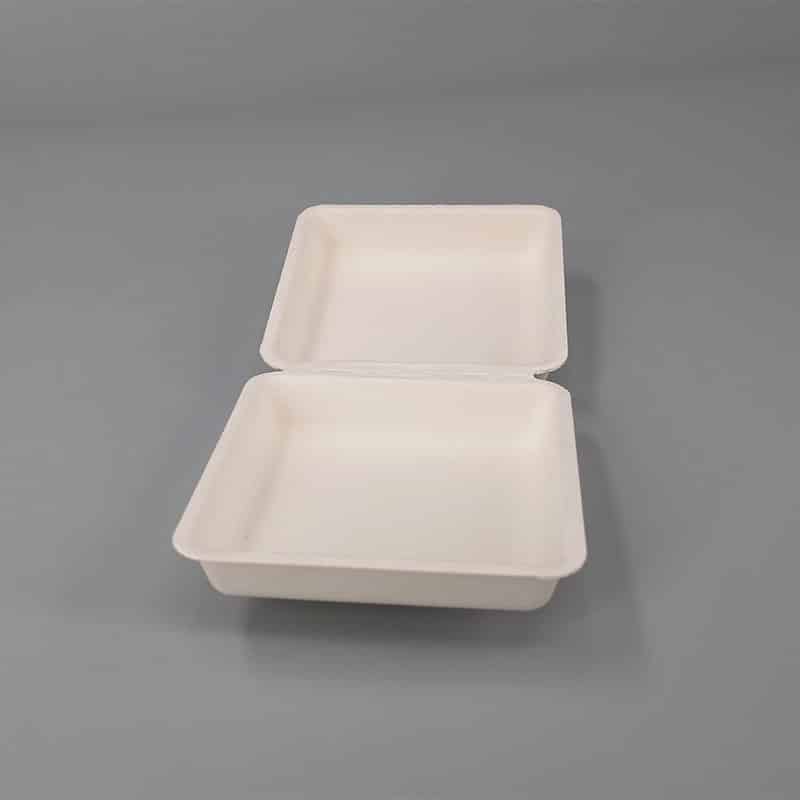
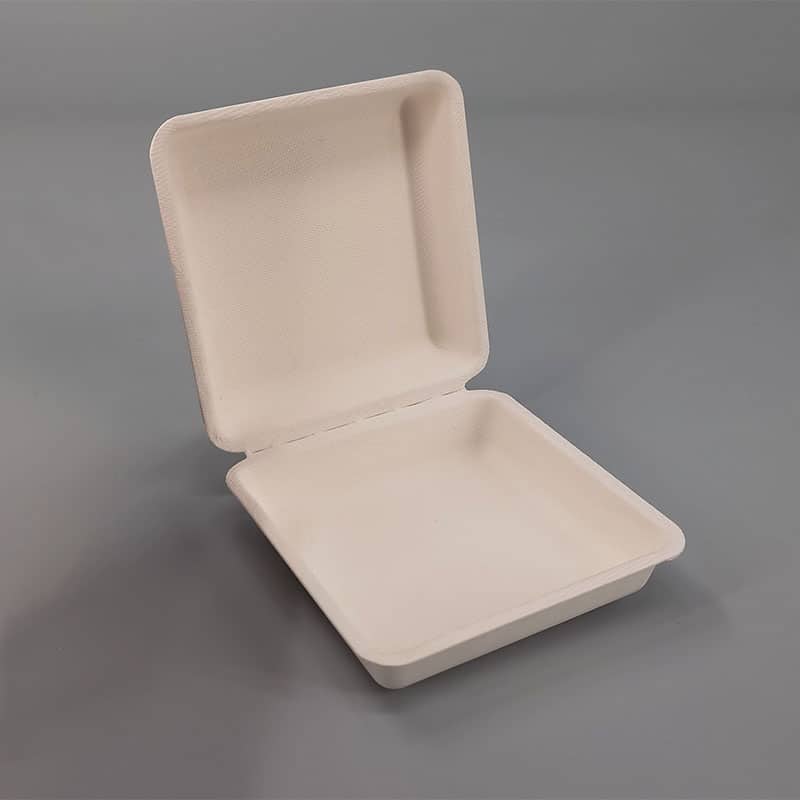
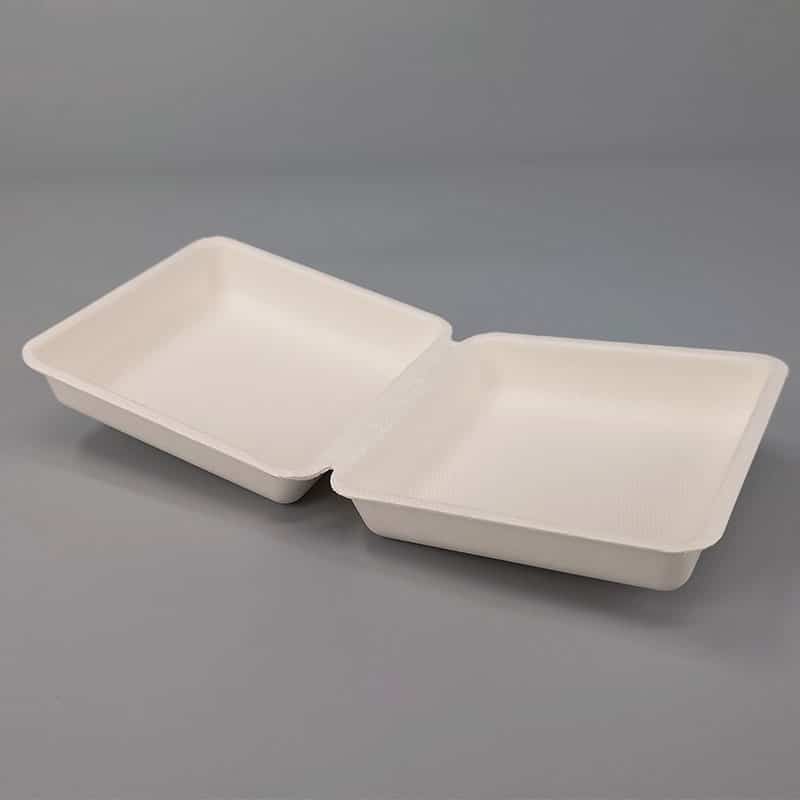
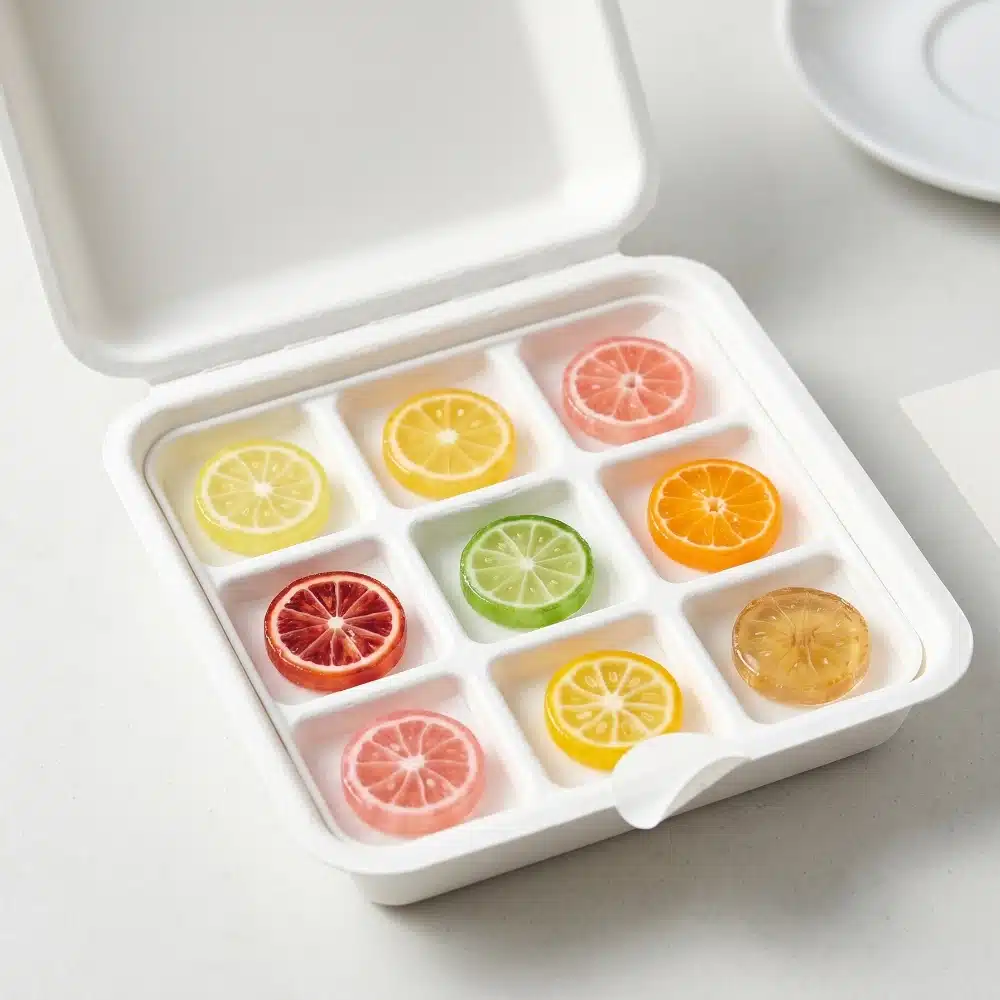
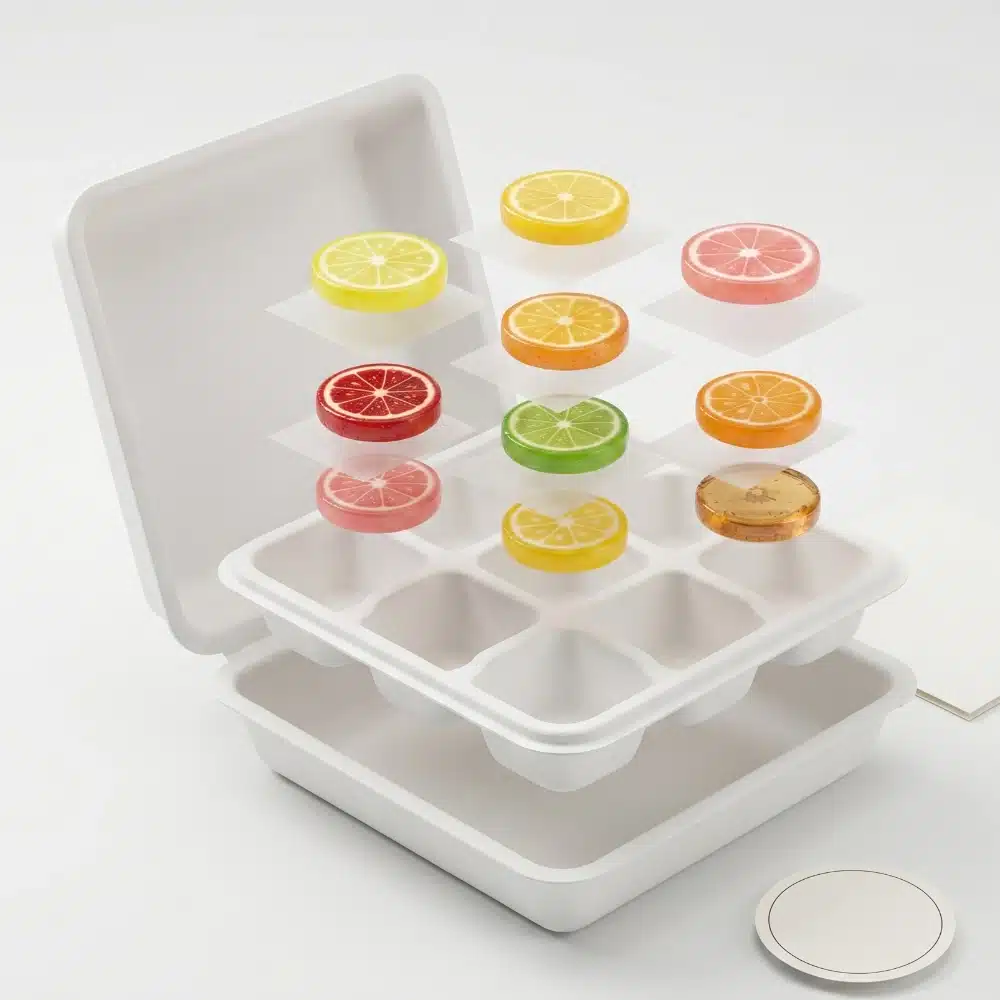
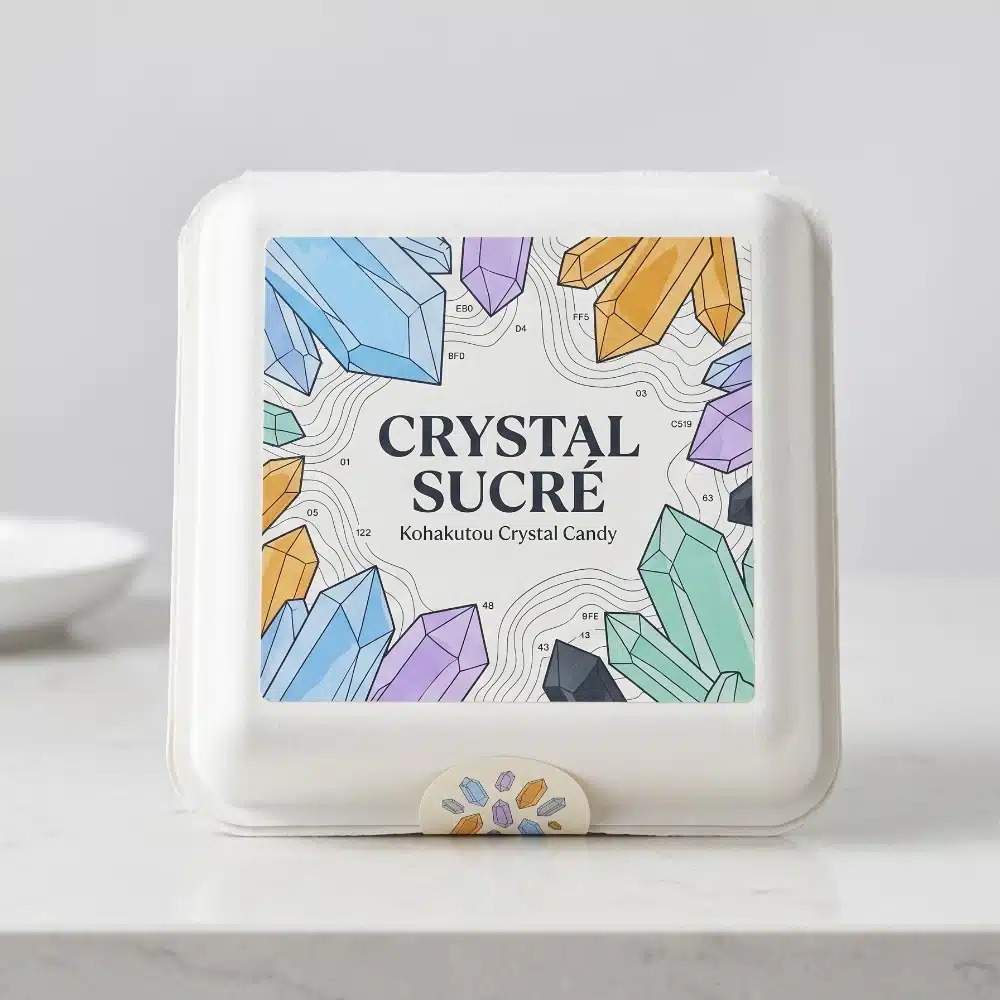
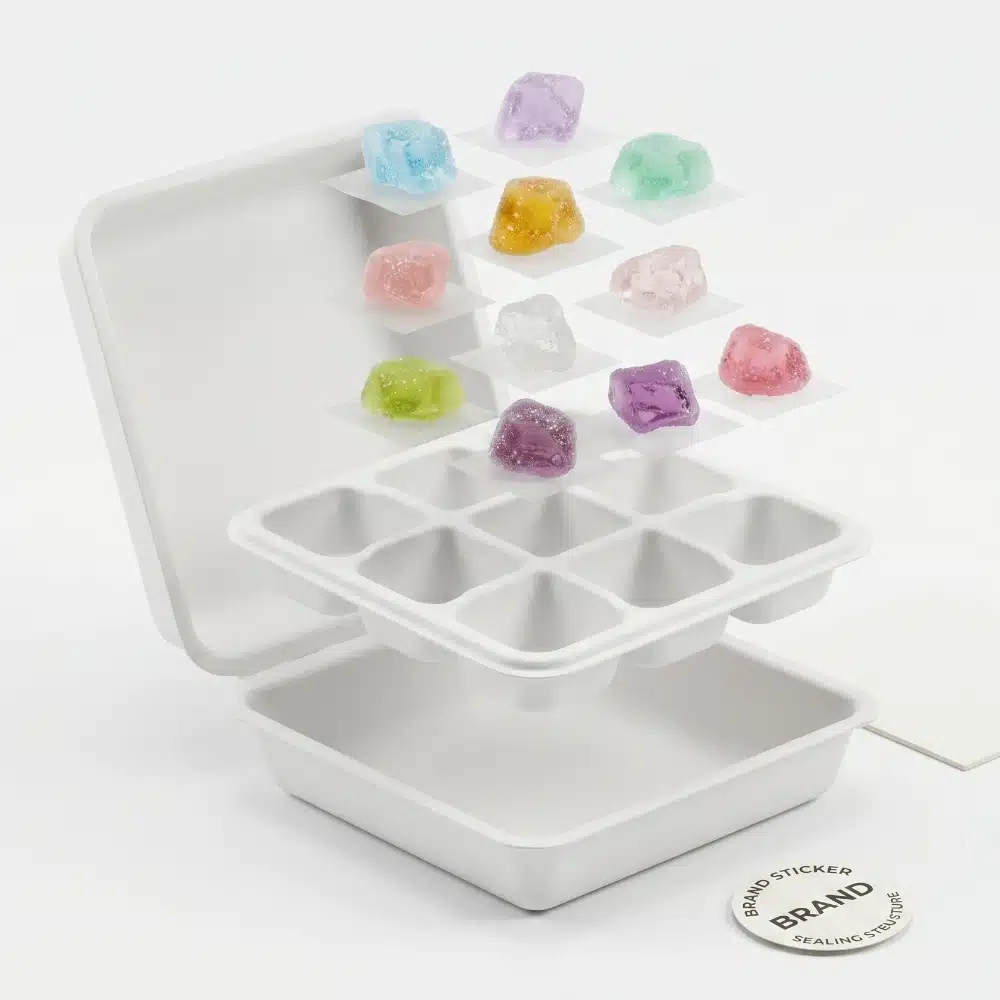
Sugarcane Bagasse

A premium plant-based pulp utilizing the fibrous residue left after extracting juice from sugarcane. It features medium-long fibers, offering excellent toughness and strength.

  • Waste Reduction: Upcycles agricultural waste, transforming it into high-value packaging.
  • Rapid Degradation: 100% natural organic matter that breaks down quickly in natural environments without long-term pollution.
  • Low Carbon Emission: Drastically lower production carbon footprint compared to standard plastics.
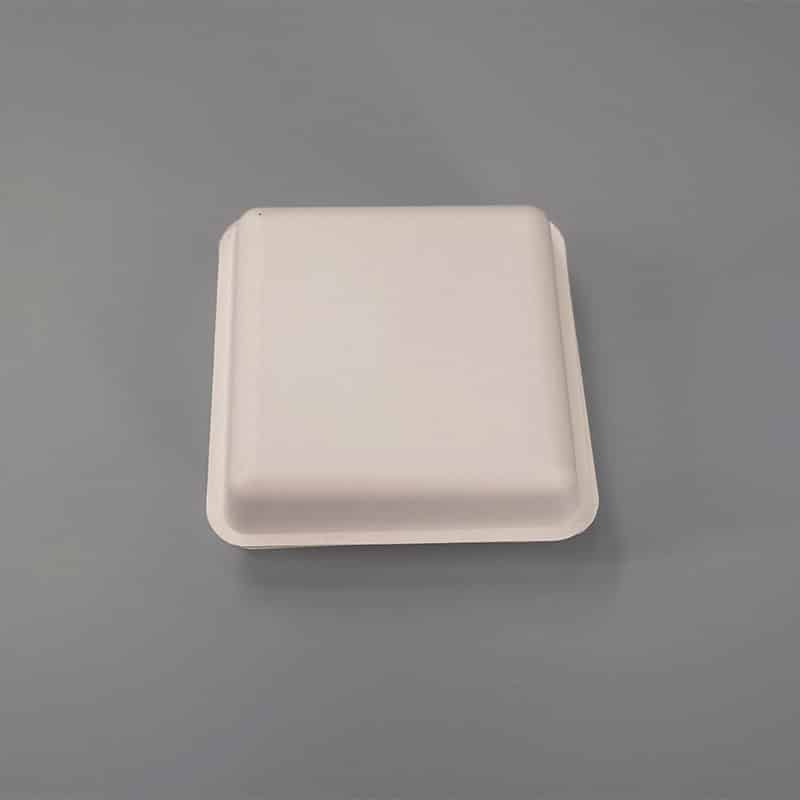
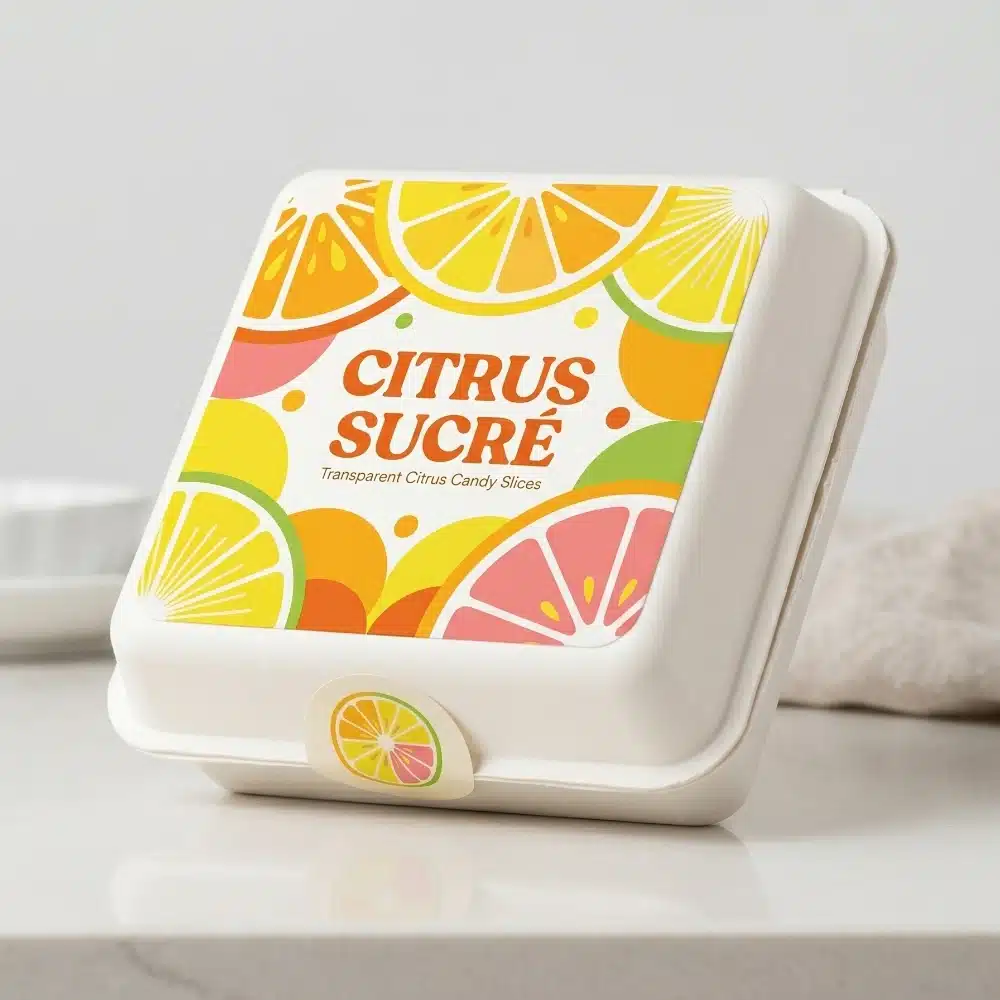
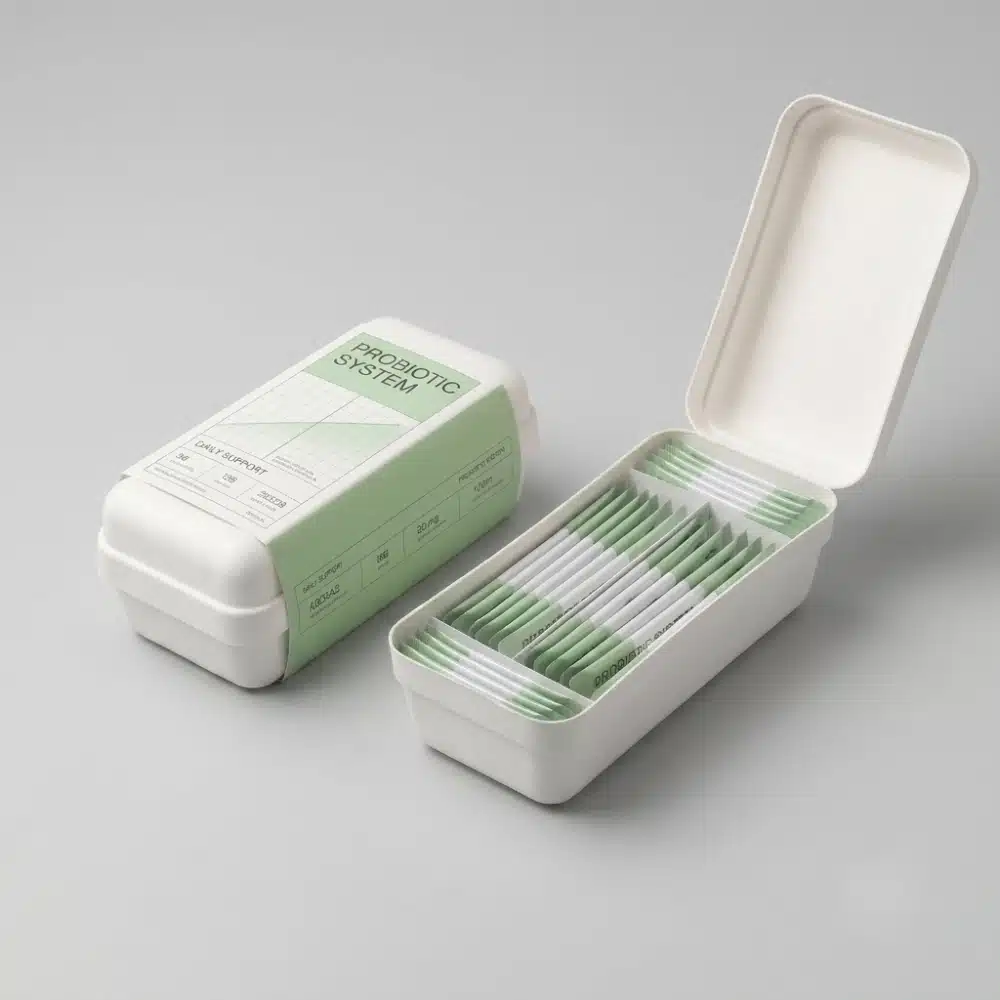
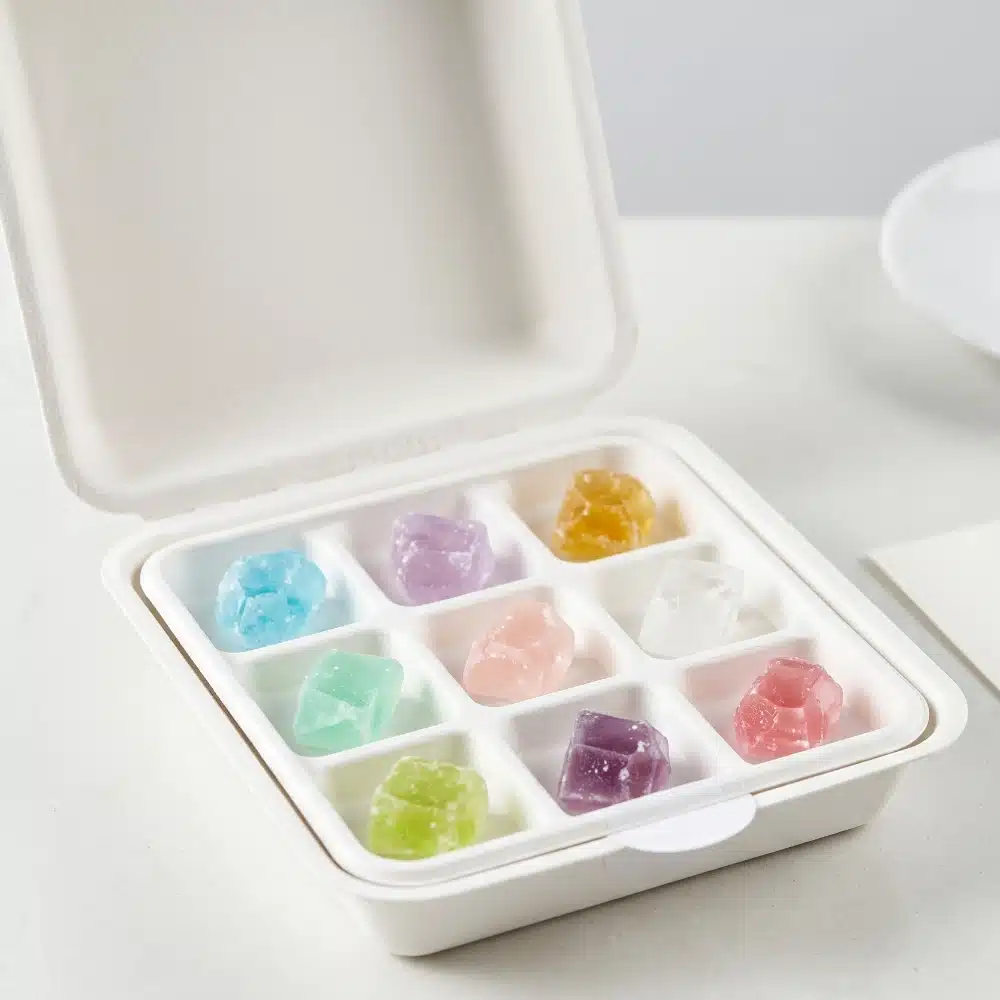
Applications: High-end molded pulp packaging, eco-friendly food delivery containers, and disposable tableware.
05

Seaweed Packaging

Utilizing fast-growing marine plants that require zero fresh water or fertilizers to grow, all while actively absorbing vast amounts of CO2 from the atmosphere.

  • Zero Waste & Chemical-Free: Created through raw material collection and fermentation. No harsh chemical processing required.
  • Carbon Negative: Processing the yield of just one hectare of seaweed can absorb 20.7 tons of CO2 emissions.
  • Versatility: Advanced bio-engineering turns seaweed into bioplastics that dissolve or biodegrade naturally.
Applications: Edible/dissolvable wrappers, biodegradable plastic bags, textiles, and cosmetic additives.
06

Coconut Coir

Extracted from the natural fibrous layer between the coconut shell and the outer coat. Rich in lignin, it can be pressed into robust packaging materials resembling cardboard.

  • Strong & Stiff: Surprisingly stronger and stiffer than many synthetic plastic fibers, yet remains lightweight.
  • Cost-Effective: Offers superior performance while reducing manufacturing costs.
  • Bio-Pellets: Can be mixed with fine wood and other fibers to create eco-plastic pellets for molding.
Applications: Rigid packaging alternatives, particleboards, automotive lining, and heavy-duty shipping materials.
07

Shrimp Shell (Chitin)

With over a billion pounds of shrimp consumed annually, their shells provide an abundant source of Chitin—a tough, natural polysaccharide.

  • Innovative Prototyping: By extracting chitin and combining it with fibroin (an insoluble protein found in silkworms), scientists are successfully engineering tough, flexible plastic prototypes.
  • Ocean-Friendly: Completely natural marine origin ensures safe biodegradation without microplastic shedding.
Applications: Next-generation biodegradable bioplastics, flexible films, and sustainable retail bags.

i sazay

    BestChat