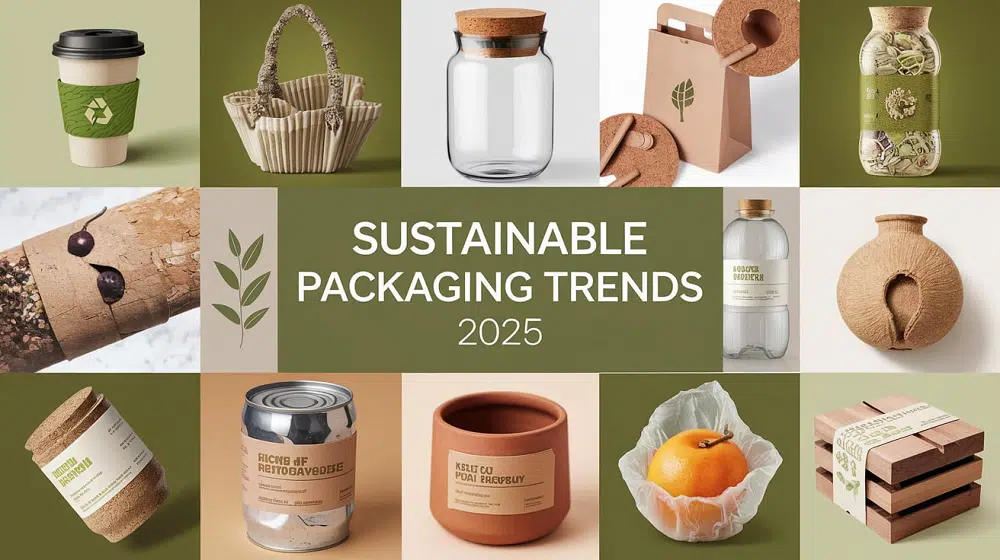
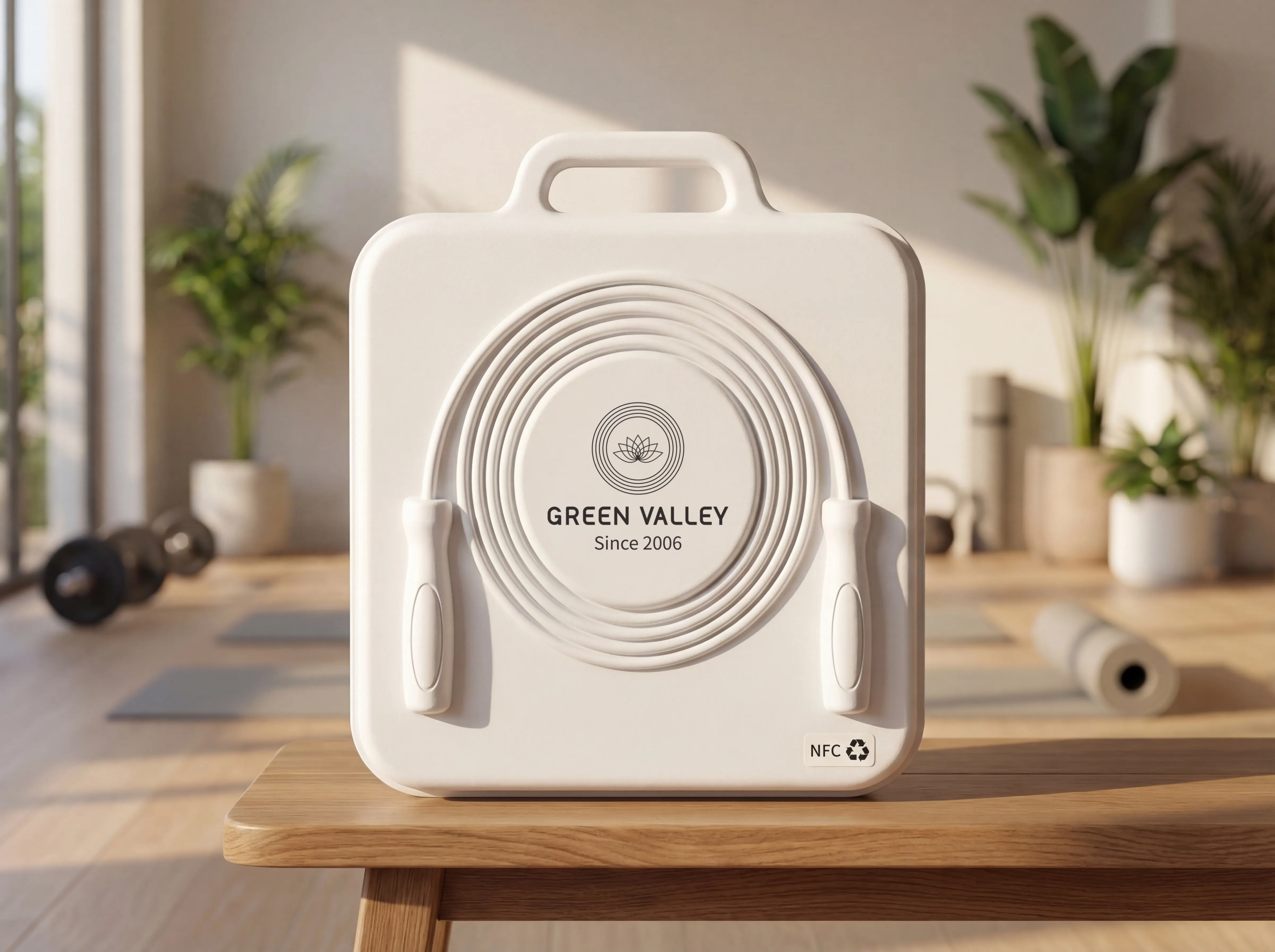
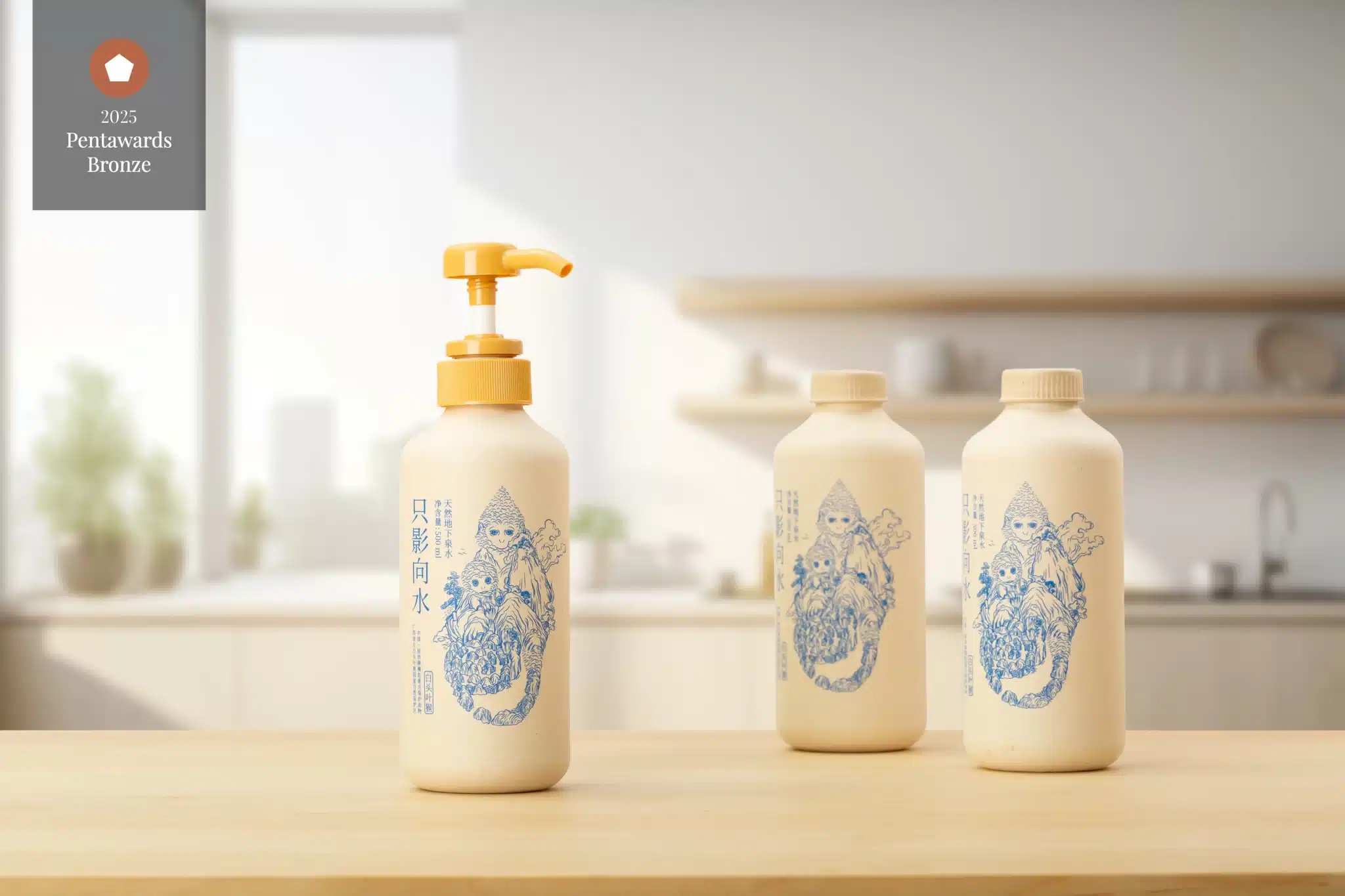
In 2026, eco-friendly packaging has evolved from a marketing buzzword into a fundamental business imperative. Imagine unboxing a product wrapped in packaging made from molded pulp that feels like sculptured art, biodegrades in your backyard within weeks, and was crafted from recycled paper or agricultural waste. Or consider scanning a digital watermark that reveals the exact carbon footprint of your purchase, connecting you to the tree-planting project your choice supports. Today’s leading brands are pioneering packaging solutions that don’t just minimize harm—they actively regenerate ecosystems, empower circular economies, and transform waste into valuable resources. From innovative molded pulp containers and seaweed-based films to edible wrappers and AI-optimized designs that reduce material waste by 40%, the sustainable packaging revolution is rewriting the rules of product design. As climate-conscious consumers demand transparency and accountability, the packaging you choose becomes a powerful statement about your brand’s commitment to the planet. Today, GVPAK’s sustainability experts will guide you through the most impactful eco packaging innovations and graphic design trends shaping 2026, helping you align your brand with the future of responsible commerce.
Eco Packaging Trends 2026: The Sustainability Revolution
By 2026, eco-friendly packaging has transformed from an optional extra into the cornerstone of brand identity and consumer trust. The packaging industry is experiencing a profound shift as brands recognize that sustainable solutions drive both environmental impact and bottom-line results. Consumers now expect packaging that tells a transparent story—from raw material sourcing through end-of-life disposal. Innovations in biomaterials, circular design systems, regenerative manufacturing, and digital traceability are setting unprecedented standards. Leading this revolution is molded pulp technology, which has evolved from simple egg cartons into sophisticated, sculptural packaging that rivals plastic in functionality while offering complete biodegradability. The convergence of climate urgency, regulatory pressure, and technological breakthroughs has created a perfect storm for packaging innovation. Below, we reveal the most transformative eco packaging trends and design approaches that will define responsible commerce in 2026 and beyond.
Top 10 Eco Packaging Innovation Trends 2026
From revolutionary molded pulp designs to intelligent systems that track environmental impact in real-time, the eco packaging landscape is undergoing its most dramatic transformation yet. These ten trends represent the convergence of scientific innovation, consumer demand, regulatory evolution, and technological advancement. Each trend addresses critical sustainability challenges while delivering enhanced functionality and consumer experience. Here are the breakthrough innovations reshaping how we package, protect, and present products responsibly.
1. Advanced Molded Pulp: The Sustainable Packaging Game-Changer
Molded pulp has emerged as the cornerstone of sustainable packaging innovation in 2026, transforming from basic protective packaging into sophisticated, design-forward solutions that rival plastic in functionality while offering complete biodegradability. Modern molded pulp technology uses recycled paper, cardboard, or agricultural waste fibers, molded into custom shapes through advanced manufacturing processes that create packaging with exceptional strength, precise fit, and premium aesthetics.
Premium Molded Pulp Bottles: Revolutionary bottle designs made from molded pulp that match glass in elegance while being lighter, unbreakable, and completely compostable—perfect for cosmetics, beverages, and premium products.
Sculptural Protective Packaging: Custom-fitted molded pulp inserts and containers replacing foam and plastic, engineered to cushion products perfectly while biodegrading within weeks.
Agricultural Waste Molded Pulp: Packaging made from bagasse (sugarcane waste), bamboo, wheat straw, or coffee grounds, creating value from agricultural byproducts.
Barrier-Coated Molded Pulp: Water-resistant and grease-resistant molded pulp using bio-based coatings, enabling applications in food packaging and wet products.
Decorative Finishing Techniques: Advanced surface treatments creating smooth, colored, or textured finishes that make molded pulp packaging visually stunning and brand-forward.
Precision Engineering: Computer-aided design and automated manufacturing producing molded pulp with tolerances rivaling injection-molded plastic for perfect product fit.
The biomaterial revolution has moved far beyond simple corn-based plastics. 2026 brings a wave of innovative materials that actively improve the environment while performing as well as or better than conventional packaging. These materials don’t just biodegrade—many actually nourish soil, capture carbon, or create value through composting.
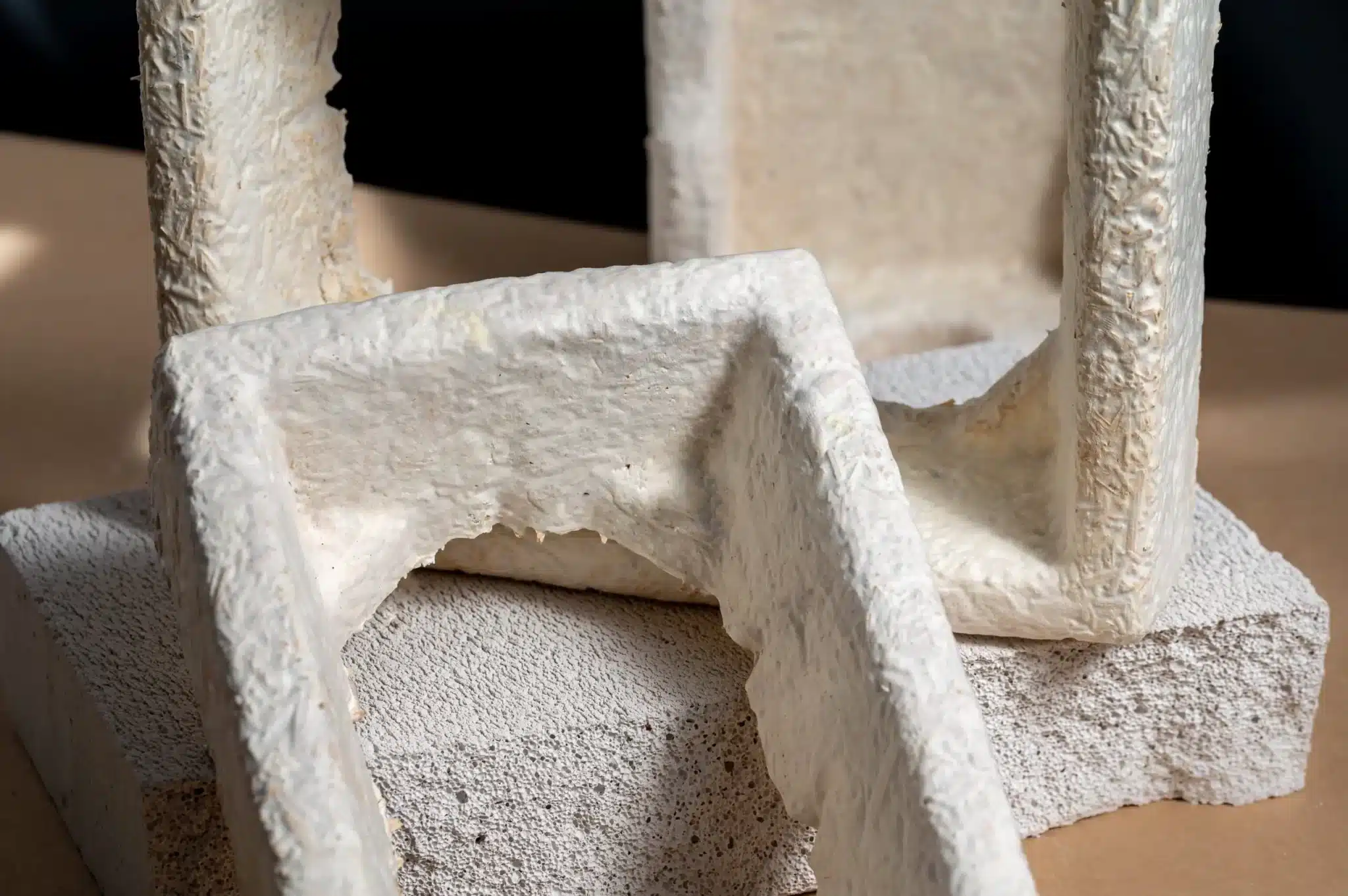
Mycelium Packaging: Grown from mushroom roots, this material forms around products in days, then composts completely within weeks, returning nutrients to soil.
Seaweed Films: Edible, dissolvable packaging made from abundant ocean plants that require no fresh water, fertilizer, or land to cultivate.
Bacterial Cellulose: Lab-grown materials that can be engineered for specific properties—waterproofing, flexibility, or barrier performance—without petroleum inputs.
Algae-Based Polymers: Materials that capture CO₂ during production, creating packaging with negative carbon footprints.
Stone Paper: Made from calcium carbonate waste, requiring no water, trees, or bleach in production.
Plant-Based Composites: Coffee grounds, rice husks, hemp fibers, and other agricultural waste transformed into sturdy packaging materials through advanced processes.
3. Circular Design Systems: Packaging That Never Becomes Waste
True sustainability demands rethinking the entire packaging lifecycle. Circular design systems ensure materials continuously cycle through use, collection, processing, and remanufacturing without becoming waste. These systems combine smart design with infrastructure investments and consumer engagement programs.
Return & Refill Programs: Durable containers returned to manufacturers for professional cleaning and refilling, eliminating single-use packaging entirely.
Deposit Systems 2.0: Digital tracking via NFC or QR codes ensures perfect return rates, with instant refunds to consumers’ mobile wallets.
Modular Packaging: Interchangeable components that can be separated easily for recycling or repurposed for different products.
Industrial Composting Networks: Partnerships between brands, municipalities, and composting facilities ensuring proper end-of-life processing for molded pulp and compostable packaging.
Chemical Recycling Integration: Advanced processes that break packaging down to molecular building blocks for infinite recycling without quality loss.
Packaging as a Service: Brands retain ownership of packaging, leasing it to consumers who return empties for cleaning and reuse.
4. Smart Sustainability: Digital Tools for Environmental Accountability
Technology enables unprecedented transparency and optimization in sustainable packaging. Digital systems track environmental impact throughout the supply chain, providing consumers with verified sustainability data while helping manufacturers continuously improve efficiency and reduce waste.
Blockchain Traceability: Immutable records tracking packaging from raw material extraction through disposal, proving sustainability claims.
5. Mono-Material Mastery: Simplified Recycling Through Design
Complex multi-material packaging creates recycling nightmares. The mono-material movement eliminates this problem by engineering complete packaging systems from single material types that can be easily recycled together. This approach dramatically improves recovery rates while maintaining product protection and visual appeal.
All-PE or All-PP Structures: Bottles, caps, labels, and closures made from the same polymer family for perfect recyclability.
Fiber-Only Solutions: Complete paper/cardboard packaging systems with water-based coatings that don’t contaminate recycling streams—including advanced molded pulp containers.
Glass Revival: Elegant, endlessly recyclable glass packaging optimized through lightweighting and smart logistics.
Aluminum Innovation: Infinitely recyclable metal packaging with recycled content exceeding 90% in many applications.
Barrier Coating Breakthroughs: Water-based or bio-based coatings that provide protection without compromising recyclability.
6. Regenerative Packaging: Materials That Give Back
The ultimate evolution in sustainable packaging goes beyond “doing less harm” to actively restoring ecosystems. Regenerative packaging materials improve soil health, sequester carbon, support biodiversity, and create positive environmental impacts throughout their lifecycle. This represents a fundamental shift from sustainability to regeneration.
Seed-Embedded Packaging: Molded pulp or paper containing wildflower or vegetable seeds that bloom when planted after use.
Nutrient-Rich Compost Materials: Packaging designed to break down into high-quality compost that enriches soil and supports plant growth.
Carbon-Negative Production: Manufacturing processes that remove more CO₂ from the atmosphere than they emit, creating climate-positive packaging.
Biodiversity Support Materials: Packaging that provides habitat for beneficial insects or microorganisms during decomposition.
Soil Amendment Additives: Biochar, minerals, or beneficial bacteria incorporated into packaging that improve soil when composted.
Water Filtration Films: Dissolvable packaging that purifies water as it breaks down, addressing pollution in disposal.
7. Minimalist Revolution: Less Is More, Designed Better
Sustainable packaging design increasingly embraces radical simplification. By eliminating unnecessary components, reducing material use, and optimizing structural efficiency, brands cut environmental impact while often improving functionality and reducing costs. Minimalism in packaging represents thoughtful design rather than deprivation.
Naked Packaging: Products sold with minimal or no packaging, using innovative product formulations that don’t require containers.
Structural Optimization: Advanced engineering creating maximum strength with minimum material through ribbing, geometry, and material science—particularly effective with molded pulp.
Concentrated Products: Smaller packaging for concentrated formulas that consumers dilute at home, dramatically reducing shipping weight and volume.
Flat-Pack Innovation: Packaging that ships flat, reducing transportation emissions by up to 60%, then assembles easily for use.
Right-Sized Packaging: Custom-fit designs eliminating void fill, reducing box sizes by 30-50% while protecting products perfectly.
Lightweighting Excellence: Advanced materials allowing 40% thinner walls while maintaining barrier properties and structural integrity.
With plastic pollution devastating oceans, packaging innovation increasingly focuses on marine-safe materials and systems that prevent ocean contamination. Ocean-positive packaging uses marine-derived materials sustainably while ensuring nothing harmful reaches aquatic ecosystems, even if packaging escapes waste management systems.
Ocean Plastic Recovery: Packaging made from plastics recovered from oceans and waterways, funded through product sales.
Marine-Degradable Materials: Films and containers that break down safely in ocean environments without releasing microplastics or toxins.
Seaweed Cultivation Packaging: Materials from farmed seaweed that actually improve ocean health during cultivation by absorbing CO₂ and excess nutrients.
Fish Feed Films: Edible packaging that safely nourishes marine life if it enters oceans, turning potential pollution into nutrition.
Waterway Cleanup Integration: Packaging programs funding river and beach cleanup efforts in regions lacking waste infrastructure.
9. Local & Regional Material Systems: Reducing Transportation Impact
Transportation represents a significant portion of packaging’s carbon footprint. Progressive brands are developing regional packaging ecosystems using locally available materials and manufacturing, dramatically reducing shipping distances while supporting local economies and creating resilient supply chains less vulnerable to global disruptions.
Agricultural Byproduct Sourcing: Molded pulp and other packaging materials made from regional crop waste—wheat straw in grain regions, rice hulls in Asia, corn stalks in the Americas.
Regional Manufacturing Networks: Distributed production facilities near end markets, cutting shipping emissions by 70% while speeding delivery.
Native Plant Materials: Packaging from indigenous plants adapted to local climates, requiring no irrigation or chemical inputs.
Local Recycling Integration: Materials chosen specifically for compatibility with regional recycling infrastructure and capabilities.
Community Composting Partnerships: Compostable packaging designed for local composting programs, with collection systems embedded in communities.
Bioregional Design: Packaging aesthetics and materials reflecting local culture and environment, creating authentic regional connections.
As greenwashing scrutiny intensifies, verifiable sustainability claims backed by third-party certifications become essential. Transparent packaging communicates environmental credentials through recognized standards, lifecycle assessments, and traceable supply chains, building consumer trust through accountability rather than marketing claims.
Third-Party Certifications: FSC, Cradle to Cradle, Carbon Trust, OK Compost, BPI Certified Compostable, and other recognized standards visible on packaging.
Lifecycle Assessment Data: Comprehensive environmental impact analysis from raw materials through disposal, openly shared with consumers.
Supply Chain Transparency: QR codes linking to detailed information about material sources, manufacturing locations, and transportation methods.
Recyclability Indices: Clear, honest communication about actual recyclability or compostability in available systems, not theoretical possibilities.
Impact Reporting: Annual sustainability reports with verified data on packaging’s environmental performance and improvement targets.
Top 10 Graphic Design Trends for Eco-Friendly Packaging (2026)
Sustainable packaging design extends beyond materials to encompass the visual language that communicates environmental values. These graphic design trends help eco-conscious brands tell authentic stories, educate consumers, and create emotional connections through aesthetics that reflect commitment to the planet. From earth-inspired palettes to transparency-focused layouts, these approaches make sustainability visible, tangible, and compelling.
1. Earth Palette: Natural Color Stories
Look: Terracotta, clay, moss green, sky blue, wheat, stone gray, ocean teal—colors drawn directly from nature.
Why it works: Instantly communicates eco-friendliness through visceral connection to natural environments.
The earth palette trend moves beyond traditional “green” eco-packaging to embrace the full spectrum of natural colors found in soil, plants, water, and stone. These authentic tones create immediate associations with sustainability while offering sophisticated, modern aesthetics. Clay oranges, mineral grays, deep forest greens, and oceanic blues communicate environmental consciousness without relying on clichéd imagery. Brands use subtle gradients mimicking natural light, texture effects suggesting organic materials, and color combinations reflecting specific ecosystems—desert, forest, ocean, or mountain. This approach works across product categories, from food packaging using wheat and grain tones to cosmetics featuring botanical greens and floral blushes. The earthen palette feels grounded, genuine, and timeless rather than trendy.
2. Transparency Graphics: Honest Communication Design
Transparency graphics transform packaging into information interfaces that openly communicate sustainability credentials. Rather than hiding behind vague environmental claims, brands use infographics, data visualizations, and clear explanations to show exactly how products impact the planet. Packaging might feature illustrated supply chain maps showing material origins, carbon footprint comparisons against industry averages, or ingredient sourcing stories with farmer profiles. Certification logos are explained rather than simply displayed, with QR codes linking to full verification documents. Some brands print material composition percentages, recyclability instructions specific to major municipalities, or even lifecycle assessment summaries. This design approach treats consumers as partners in sustainability rather than passive recipients of marketing messages, creating deeper engagement through education and openness.
3. Botanical Illustration: Scientific Beauty
Look: Detailed line drawings of plants, vintage botanical prints, herbarium-style layouts, scientific naming.
Why it works: Combines natural authenticity with premium aesthetics; celebrates plant-based ingredients.
Botanical illustration brings the precision and beauty of scientific plant drawings to sustainable packaging. This trend draws inspiration from Victorian herbaria, field guides, and medicinal plant encyclopedias, featuring detailed renderings of leaves, flowers, roots, and seeds. Unlike generic leaf motifs, these illustrations are botanically accurate, often including Latin names and anatomical details. The style works particularly well for products featuring plant-based ingredients, allowing brands to showcase the specific botanical sources of their formulations. Line work might be delicate and intricate or bold and simplified, often printed in single colors on kraft paper or rendered in subtle earth tones. Some brands commission original botanical artwork from scientific illustrators, creating unique visual identities while celebrating the plants that make their sustainable products possible. This approach communicates both natural authenticity and thoughtful sophistication.
4. Minimal Ink Philosophy: Less Graphics, More Material
Look: Unprinted or minimally printed surfaces, embossing, debossing, natural material textures, single-color printing.
Why it works: Reduces chemical use; lets sustainable materials speak; creates refined, modern aesthetic.
The minimal ink philosophy recognizes that even eco-friendly inks have environmental impacts and that the beauty of sustainable materials deserves to be seen. Packaging designed with this approach uses little or no printing, instead relying on embossing, debossing, die-cutting, or material textures to create visual interest. Natural kraft cardboard, raw linen, unbleached cotton, or beautiful molded pulp textures become the hero of the design. Essential information might be printed in a single color using soy or algae-based inks, or stamped using foil made from compostable materials. Brand marks appear as subtle embossments or laser-etched details. This approach not only reduces environmental impact but also creates premium, tactile experiences that feel honest and refined. The restraint communicates confidence in the product and material quality while allowing the inherent beauty of sustainable substrates to shine.
5. Circular Story Graphics: Lifecycle Visualization
Circular story graphics illustrate the complete lifecycle of packaging, making circular economy concepts tangible and understandable. These designs might show packaging transforming from plant to product to compost to new plant growth, or plastic bottle to recycled pellets to new bottle. Icons arranged in circular patterns demonstrate return programs, composting processes, or recycling pathways. Some brands use illustrated timelines showing decomposition stages for compostable packaging, or transformation diagrams explaining how returned containers become new products. The visual language borrows from systems thinking and ecosystem diagrams, often featuring arrows, cycles, and interconnected elements. This approach educates consumers about proper disposal while emphasizing that packaging has value beyond single use. It transforms a linear “use and discard” mentality into circular thinking where packaging continuously cycles through valuable purposes.
6. Handcraft Aesthetic: Human Touch in Sustainable Design
The handcraft aesthetic brings warmth and human connection to eco-packaging through visuals that celebrate imperfection and human touch. Hand-lettered brand names, sketch-style illustrations, watercolor effects, and visible brushstrokes create packaging that feels personal rather than mass-produced. This approach works particularly well for sustainable brands emphasizing ethical production, fair wages, and artisan methods. Typography might feature deliberate irregularities suggesting hand-painting, while illustrations could include visible pencil guidelines or eraser marks that would normally be cleaned up in commercial design. Some brands incorporate actual handwritten notes from makers, stamped production dates, or hand-applied labels. The aesthetic communicates that real people who care made this product using thoughtful, careful processes—values that align perfectly with sustainable manufacturing and conscious consumption.
7. Data Viz Sustainability: Numbers That Tell Stories
Data visualization transforms complex sustainability metrics into clear, compelling graphics that communicate environmental benefits at a glance. Packaging might feature bar charts comparing carbon footprints, pie charts showing material composition, or progress bars indicating recycled content percentages. Infographics illustrate water saved, trees preserved, or emissions avoided compared to conventional alternatives. Some brands create visual “sustainability scorecards” rating packaging across multiple environmental criteria, or timeline graphics showing year-over-year improvement in sustainability metrics. The design challenge is making data accessible and visually appealing rather than overwhelming or technical. Effective data visualization uses clear hierarchies, intuitive icons, and strategic color coding to help consumers quickly understand environmental claims. This approach appeals to increasingly savvy consumers who want proof, not promises, regarding sustainability.
Natural texture emphasis celebrates the inherent beauty and tactile qualities of sustainable materials rather than hiding them beneath coatings or prints. Molded pulp packaging shows its fibrous structure, recycled cardboard displays its layered composition, and plant-based plastics reveal subtle organic variations. Graphics are designed to complement and enhance these textures rather than cover them completely. Typography might be positioned to work with visible grain patterns, illustrations could be screen-printed to let material texture show through, or die-cuts might reveal interior layers. Some brands use minimal varnishes that highlight texture while protecting surfaces, or embossing that accentuates the material’s natural dimensionality. This approach creates multisensory packaging experiences that feel honest and connected to nature, reminding consumers that sustainable materials come from real plants and natural processes rather than petrochemical synthesis.
9. Eco-Heritage Revival: Traditional Wisdom for Modern Sustainability
Eco-heritage revival draws inspiration from historical packaging and traditional sustainable practices, reminding consumers that environmental consciousness isn’t new but rather a return to wisdom. Designs might reference apothecary jars, vintage seed packets, old-fashioned milk bottles, or traditional food storage methods. Typography borrows from letterpress printing, woodcut illustrations, or early 20th-century labels. Color palettes use faded, archival tones suggesting age and authenticity. This aesthetic works particularly well for products based on traditional formulas, heirloom ingredients, or time-tested sustainable practices. The design suggests that these approaches have been proven over generations rather than being trendy innovations. By connecting modern sustainability to historical precedent, this style creates a sense of continuity and trustworthiness, positioning eco-friendly choices as timeless rather than temporary.
10. Impact Storytelling: Visual Narratives of Environmental Benefit
Impact storytelling uses sequential visuals, illustrated narratives, or photographic documentation to show the tangible environmental benefits of choosing sustainable packaging. A package might show illustrations of the forest where materials are sustainably harvested, the wildlife that benefits from conservation programs funded by purchases, or the transformed landscape enabled by reforestation efforts. Some brands use split-screen imagery contrasting conventional vs. sustainable approaches, or timeline illustrations showing the positive changes their initiatives create over time. Photography might document actual conservation projects, showing real places and creatures protected by choosing these products. QR codes can link to video stories or interactive maps showing impact locations. This approach transforms abstract environmental claims into concrete, visual evidence of positive change, helping consumers see themselves as active participants in environmental solutions rather than passive purchasers.
Get Innovative Eco Packaging Solutions for Your Sustainable Products in 2026
Ready to transform your brand with genuinely sustainable packaging that doesn’t compromise on performance or aesthetics? At GVPAK, we specialize in cutting-edge eco packaging solutions that combine environmental responsibility with exceptional design. Our advanced molded pulp packaging leads the industry in innovation, offering everything from elegant bottles and sophisticated containers to custom protective packaging that biodegrades completely while delivering premium brand experiences. Beyond molded pulp, we provide comprehensive sustainable packaging solutions including compostable materials, mono-material systems, and circular design programs tailored to your specific needs. Our expertise helps you meet sustainability goals while creating packaging that consumers love. We work with brands across food, beverage, cosmetics, and consumer goods to develop custom solutions using the latest biomaterials, smart technologies, and transparent communication strategies. We don’t just create packaging—we build sustainable systems that reduce environmental impact throughout the entire lifecycle. Connect with our sustainability experts to discuss how we can help you pioneer the eco packaging innovations that will define 2026 and beyond, turning your environmental commitments into tangible, market-leading solutions that protect both your products and our planet.
🌍 Frequently Asked Questions
Everything you need to know about eco packaging trends 2026
Molded pulp has evolved into sophisticated packaging that rivals plastic in functionality while offering complete biodegradability. Modern molded pulp uses recycled paper or agricultural waste, creates custom-fitted designs with exceptional strength, and biodegrades in weeks rather than centuries.
Advanced manufacturing now produces molded pulp bottles, premium cosmetic containers, and protective packaging with smooth finishes and precise engineering. GVPAK’s molded pulp solutions lead the industry in combining sustainability with premium aesthetics.
Circular design creates closed-loop systems where packaging never becomes waste. Unlike traditional recyclables that may be downcycled or eventually discarded, circular packaging continuously cycles through return, cleaning, refilling, or remanufacturing at full quality.
Examples include deposit-return systems with digital tracking, modular packaging with interchangeable components, and packaging-as-a-service models where brands retain ownership and manage the full lifecycle.
Digital tools enable unprecedented transparency and optimization. Technologies include blockchain traceability proving sustainability claims, digital watermarking for automated recycling sorting, AI-powered design optimization reducing material waste by 40%, carbon footprint labeling with verified data, and QR codes providing location-specific disposal instructions.
These innovations transform packaging into intelligent systems that track, educate, and continuously improve environmental performance.
Mono-material packaging uses single material types (all-PE, all-PP, all-paper, all-glass, or fiber-only molded pulp) that can be recycled together without separation, dramatically improving recovery rates and recycling quality.
Complex multi-material packaging often ends up in landfills because facilities can’t economically separate components. Mono-material designs maintain product protection through advanced engineering while ensuring packaging actually gets recycled rather than theoretically being recyclable.
Regenerative packaging actively improves ecosystems rather than just minimizing harm. Examples include seed-embedded molded pulp that blooms when planted, materials that break down into nutrient-rich compost improving soil health, carbon-negative production capturing more CO₂ than emitted, and packaging supporting biodiversity during decomposition.
This represents evolution from “sustainable” (neutral impact) to “regenerative” (positive impact), treating packaging as an opportunity to restore rather than just preserve.
Authentic communication requires third-party certifications (FSC, Cradle to Cradle, Carbon Trust, OK Compost, BPI Certified Compostable), comprehensive lifecycle assessments openly shared with consumers, supply chain transparency through blockchain or QR-linked documentation, standardized carbon footprint labeling, and honest recyclability or compostability information based on actual infrastructure rather than theoretical possibilities.
GVPAK helps brands develop verifiable sustainability programs with proper certifications, transparent communication strategies, and packaging designed for measurable environmental improvement—especially through our industry-leading molded pulp solutions.
Dedicated to providing customers with one-stop solutions, from creative design to meticulous production and secure delivery, ensuring perfection at every step.