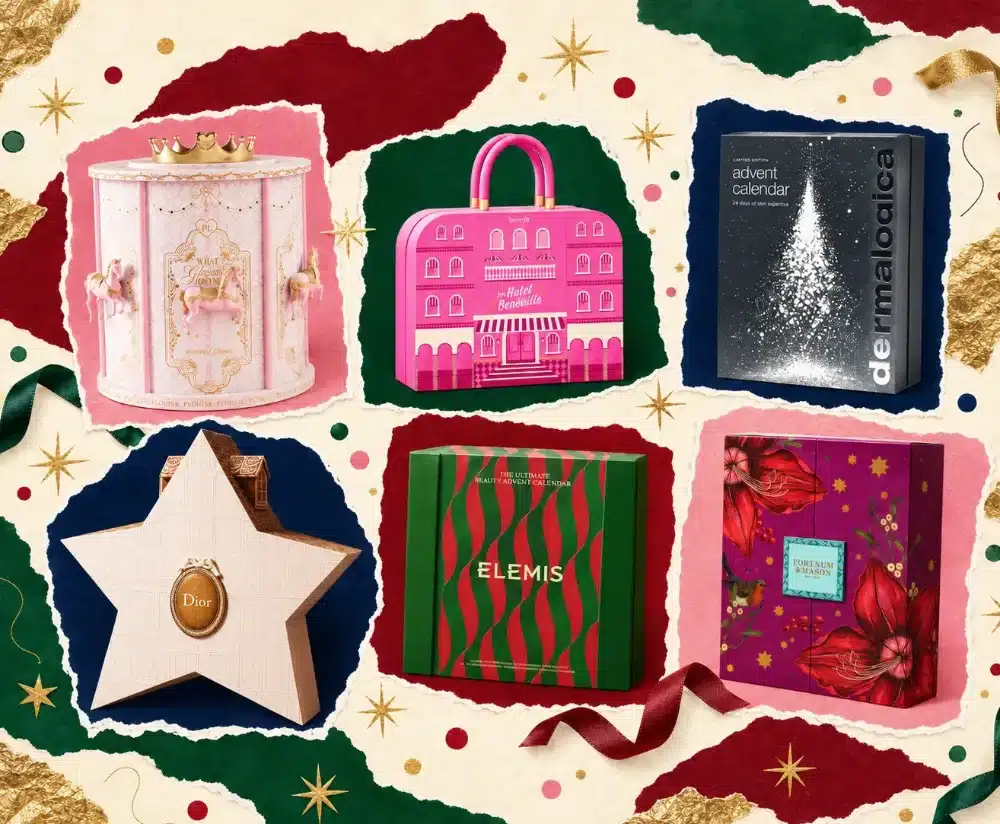
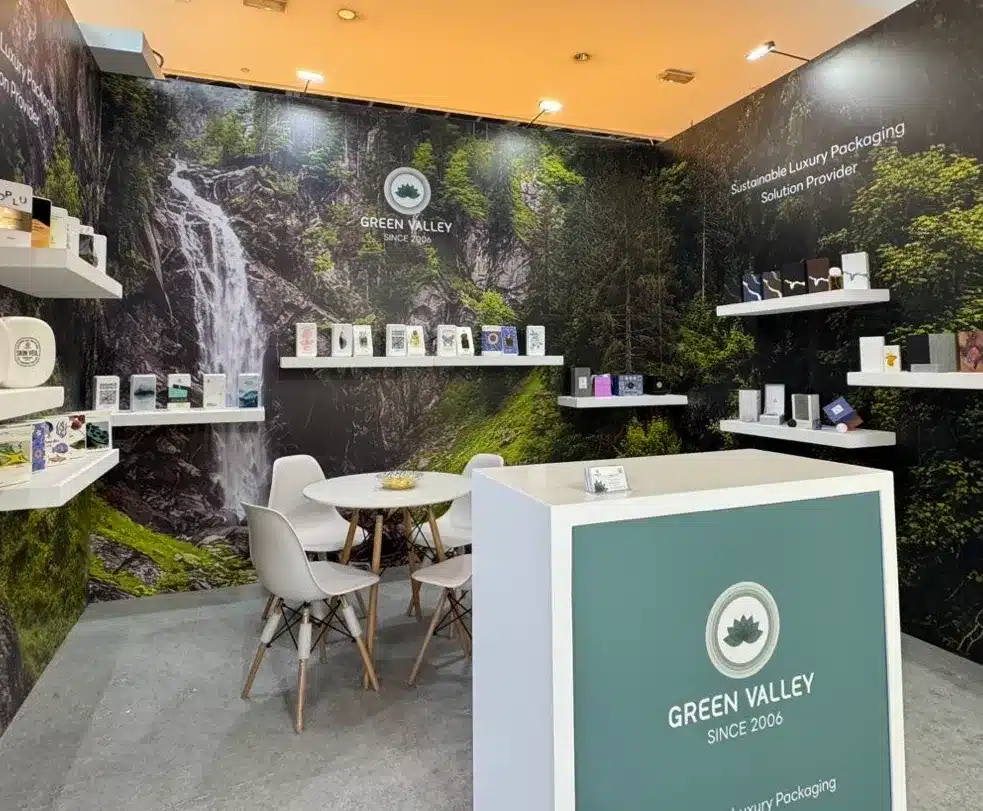
In 2026, beauty packaging isn’t just a container; it’s a conversation starter, a sensory ritual, and a piece of practical technology all at once. Imagine pressing your moisturizer bottle and seeing a perfectly dosed drop appear, or scanning a subtle QR code to get a custom skincare tutorial or ingredient story on your phone. Today’s top cosmetic brands are blending tactile materials, digital interactivity, and eco-friendly engineering to create packaging that not only protects the formula but also cheers the daily routine into something memorable. As smart pumps, refillable systems, and expressive graphic design become standard, the packaging you choose can help your products feel like a luxury to unbox, a joy to use, and a clear signal of your brand’s values, right down to the last detail. Today, GVPAK’s experienced designers will walk you through the leading packaging ideas and graphic designs for cosmetic and skincare products, helping you align your brand with what’s next.
Beauty & Cosmetic Packaging Trends 2026
By 2026, cosmetic and skincare packaging will have morphed into a dynamic “brand ambassador”- blending sustainability, personalization, digital interaction, and emotional value. Consumers gravitate toward brands that think about the full lifecycle of packaging, from material sourcing to recycling, and crave designs that feel authentic, tactile, and emotionally resonant. Advances in smart packaging, accessibility, and the fusion of technology with art are setting new standards. Below, we reveal the best packaging and graphic design approaches that will define the future of beauty.
Top 10 Beauty & Cosmetic Packaging Design Trends 2026
From a simple container to a sophisticated medium that communicates brand values, supports user experiences, and addresses environmental responsibilities, the beauty and cosmetics packaging sector is entering a new era, blending advanced technology, artistic flair, and sustainability. Here are the top 10 packaging design trends to watch in 2026, each driven by industry innovation and shifting consumer expectations.
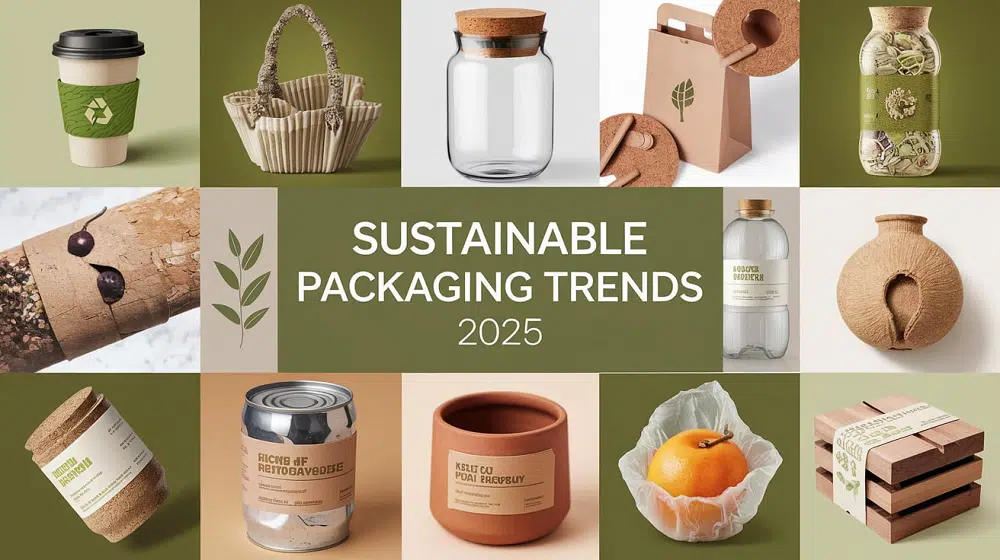
Sustainability is no longer a value-add but a foundational requirement for beauty packaging. The industry is moving past simple recyclability and into fully regenerative cycles and full transparency, integrating sustainable choices at every stage of the packaging life cycle.
Refillable/Reusable Systems: Permanent, elegantly designed outer packaging with replaceable inner cores, transitioning from luxury to mass-market products.
Bio-based Materials: Use of innovative plant-based materials, such as bagasse molded pulp packaging, or biodegradable materials like algae, mycelium, or agricultural waste, in addition to PLA.
Single-Material Construction: Preference for packaging made from a single type of plastic (all-PE, all-PP) or other material for easier recycling; reduction in composite materials.
Digital Watermarking: Integration of near-invisible watermarks for automated, highly accurate sorting in recycling facilities.
Carbon Footprint Labeling: Packaging clearly displays carbon data from material sourcing to disposal, allowing conscious consumer choices.
Lifecycle Circularity: Brands and suppliers are adopting systems that track, collect, and recycle packaging, ensuring materials are reused efficiently.
2. Smart and Connected Packaging: Interactive and Data-Driven
Packaging is transforming into a digital interface, connecting physical products to virtual experiences and brand content. The integration of technologies like NFC, QR codes, and AR is enabling deeper consumer engagement and product authentication.
NFC/RFID Technology: Tap-enabled packaging provides instant access to tutorials, ingredient transparency, authentication, loyalty programs, and more.
Advanced QR Codes: Codes now unlock interactive content, personalized messages, loyalty incentives, and even digital product passports.
AR Experiences: Augmented reality lets shoppers virtually try on makeup or preview products, increasing confidence in online purchases.
Real-Time Data: Smart droppers and caps can track usage and sync with apps, giving users personalized feedback and brands valuable insights.
3. Multi-Sensory and Emotional Design: Packaging for Ritualistic Feeling
As beauty routines become self-care rituals, packaging is designed to provide emotional comfort and multi-sensory enjoyment. Tactile pleasure, visual calm, and even olfactory cues play a part in deepening the consumer’s connection with the product.
Sensory Textures: Packaging features frosted, smooth, or uniquely textured surfaces; magnetic closures deliver satisfying clicks; subtle fragrances may be embedded.
Minimalism & Wabi-sabi: Soft colors, negative space, and understated design give a sense of calm and retreat from visual overload.
Dopamine Brights & Retro Vibes: Bold colors, playful shapes, and nostalgic styles cater to younger consumers’ desire for self-expression and shareable moments.
Layered Unboxing: Multi-layered packaging creates anticipation and a sense of ceremony, especially in gift sets.
Emotional Messaging: Ingredient lists and messages are displayed in poetic, transparent ways, making even technical details feel inviting.
4. Inclusive and Accessible Design: Universal Usability
Universal design principles are being prioritized to ensure packaging is user-friendly for everyone, including the elderly and people with disabilities. Accessibility is embedded in both function and aesthetic, reflecting a commitment to social inclusivity.
Easy-Open Structures: Wide openings, non-slip textures, magnetic closures, and one-handed dispensers.
Accessibility Elements: Braille labeling, high-contrast colors, and NFC-triggered voice prompts aid visually impaired users.
Precise Dispensing: Controlled pumps and droppers ensure accurate dosage, reducing waste and simplifying use for everyone.
5. Multi-Functional and Integrated Packaging
Consumers seek efficiency and convenience, driving demand for packaging that combines multiple functions or tools and ensures ingredient freshness. Packaging is designed to simplify routines and offer added practicality. It often incorporates application tools or ensures ingredient stability, serving modern consumers who value efficiency and convenience.
Integrated Tools: Applicators, rollers, or brushes are built into packaging (e.g., rollerball serums, cushion compacts with puffs).
Freshness Preserving: Airless pumps, UV-blocking bottles, and ampoules protect sensitive active ingredients from light and air.
Travel-Ready: Lightweight, durable, and leak-proof designs cater to on-the-go lifestyles.
6. Artistic and Culturally Inspired Expression
Brands are drawing inspiration from diverse cultures and artistic movements, creating packaging that tells a story and connects emotionally with consumers. This includes nods to traditional motifs and collaborations with artists or designers.
Personalized Designs: Limited editions, collaborations, and unique shapes reflect brand identity and target audience.
Cultural Motifs: Traditional art, local symbols, and culturally inspired aesthetics forge deeper brand connection.
Multi-Use Gift Boxes: Packaging that transforms into decorative or functional objects after use, extending its value.
7. Sensory Premium Packaging with Integrated Applicator Innovation
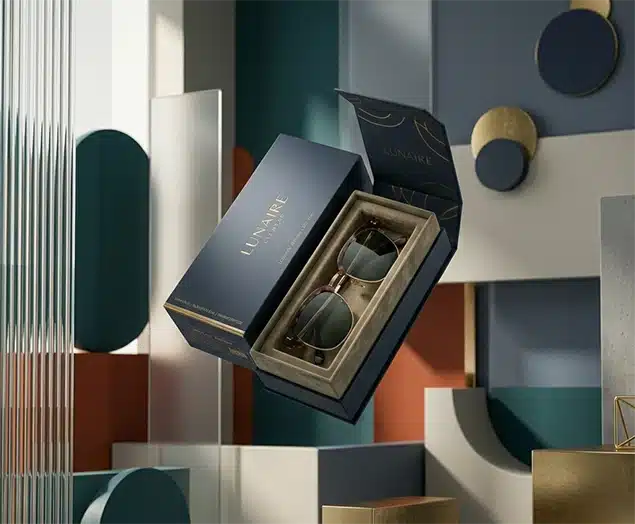
Premium cosmetic packaging in 2026 is defined by a fusion of sensory luxury and advanced applicator functionality. This approach not only elevates the look and feel of the product but also enhances the entire user experience. By combining high-end materials with thoughtfully engineered applicators, brands deliver packaging that feels indulgent, hygienic, and intuitively usable. The tactile qualities of frosted glass or decorated aluminum, paired with built-in applicators stored in innovative ways, create a seamless blend of elegance and practicality. This design philosophy appeals to consumers who value both luxury and convenience in their beauty routines.
Luxurious Materials: Frosted, colored, or textured glass; decorated aluminum bottles and tubes, offering both visual sophistication and eco-friendly credentials.
Refined Finishes: Direct decoration techniques such as hot stamping, screen printing, and spot varnish to create a premium impression.
Weighted & Ergonomic Forms: Heavier bottles and containers with comfortable, contoured grips that enhance the feeling of exclusivity in hand.
Integrated Applicators: Built-in silicone, brush, or spatula applicators designed into the cap or lid for effortless application.
Hygienic Storage Solutions: Innovative hidden compartments in the packaging to keep applicators clean and separate from the product when not in use.
Ergonomic Applicator Design: Applicators and handles engineered for comfort, precision, and enjoyment, supporting both hygiene and a premium application experience.
8. Minimalist and Lightweight Aesthetics
Regulators and brands are pushing for packaging that simplifies recycling and reduces environmental impact by using single materials and minimizing excess. Streamlined, minimalist packaging is gaining traction, focusing on simplicity, functionality, and reduced environmental impact. Lightweighting not only saves resources but also reduces carbon emissions during transportation.
Mono-Material Components: Caps, pumps, and bottles made from the same material type for easier sorting and recycling.
Minimalist Structure: Elimination of superfluous layers and complex structures, use of subtle, elegant color palettes (e.g., whites, pastels, matcha greens, soft blues).
Lightweighting: Material use is reduced wherever possible without compromising strength or function, lowering carbon emissions per package. Lightweight materials that maintain structural integrity and premium feel.
9. Color Psychology and Visual Impact
Color remains a powerful tool in cosmetic packaging, influencing first impressions and emotional appeal. Brands are strategic in their choices, using color to communicate product attributes and target specific consumer groups.
Strategic Color Usage: White signals purity; black denotes sophistication; blue implies reliability; red and orange convey energy; green suggests eco-friendliness; yellow attracts younger consumers; teal and turquoise evoke calm.
Accent Finishes: Metallic touches (gold, silver) or unique color gradients elevate luxury brands.
Trendy Palettes: Expect to see pinks, matcha greens, and cinematic darks dominating 2026 packaging designs.
10. Circular Economy and User Engagement
Packaging is being designed with the entire lifecycle in mind, promoting circularity and active consumer participation in recycling or reuse programs. Incentives, such as discounts or loyalty points for returning empties, are becoming common.
Packaging that transforms into storage boxes or decorative items after use.
Instructions and incentives for returning empties, such as coupons or loyalty rewards.
Use of materials and labeling that simplify recycling and encourage consumer involvement.
Top 10 Graphic Design Trends for Beauty & Cosmetics Packaging (2026)
Here are the graphic/illustration design trends we think that will help beauty & cosmetic brands in 2026 to captivate, surprise, and connect with audiences hungry for originality, playfulness, and authenticity in a fast-changing, AI-saturated world.
Why it works: Feels honest, vulnerable, and extremely human, perfect for brands seeking authenticity.
Beauty Use: Serum boxes with naive florals, lipstick tubes with doodle faces, playful skincare kits.
One of the most influential directions for 2026 packaging is the naive or hand-drawn style. Messy on purpose, this trend leans into wobbly lines, uneven fills, and scribbles that feel more honest than polished. It borrows from childhood drawings and handmade doodles, leaning into imperfection to create something raw, warm, and full of intent. Brands in the beauty and cosmetics industry can use this approach to create packaging that feels approachable and sincere. For example, serum boxes might feature playful, naive florals, or lipstick tubes could display doodle faces that appear to be drawn by hand. This technique often connects faster and more easily to emotion, making the consumer feel a sense of realness and intent behind the brand. Imperfections such as uneven handwriting, rough analog textures, and simple stick-figure motifs add a layer of authenticity that counters today’s polished, digital visuals.
2. Trinket/Collection Collage
Look: Arranged, floating “collections” of objects—think tiny icons, stamps, or natural elements, cataloged and labeled.
Why it works: Taps into nostalgia, storytelling, and the joy of collecting.
Beauty Use: Gift sets with “ingredient icons,” eye shadow palettes featuring illustrated “trinkets,” fragrance packaging with collection motifs.
Trinket design, also described as collection or index design, presents objects, images, or artifacts as if they were specimens in an archive. Everyday items are scanned, snipped, and stripped of context, forming visual archives that are sometimes ordered, sometimes chaotic, always layered with meaning. This approach can be especially effective for beauty brands wanting to illustrate the range of ingredients or benefits their products offer. For example, a skincare set might feature a catalog of ingredient icons, while a fragrance line could use illustrated “trinkets” to represent different notes in a scent. Objects are often arranged symmetrically or floated on flat backgrounds, sometimes labeled or numbered, giving packaging a playful yet organized feel. This method brings a nostalgic, storytelling quality to packaging, inviting consumers to engage with the product on a more personal level.
3. Grainy Blur & Dreamy Gradients
Look: Soft-focus, airbrushed gradients, grain textures, glowing edges—ethereal and tactile.
Why it works: Feels dreamy, cinematic, and lends a sense of luxury and magic.
Beauty Use: Perfume bottles with blurred floral prints, skincare jars with pastel cloud-like gradients, lip gloss tubes with grainy shine.
Packaging that uses grainy blur and dreamy gradients offers a sense of tactility and visual softness. This trend is described as part ethereal design, part grainy gradient, borrowing edge from chunky outlines. Dreamy florals, toxic halos, soft focus blobs, and invisible grids bring analog warmth to digital surfaces. In beauty packaging, this style might show up as perfume bottles with blurred floral prints or skincare jars decorated with pastel, cloud-like gradients. The grainy blur effect, inspired by spray paint, airbrush, and print grain, creates a dreamy, cinematic mood, adding an extra layer of luxury and magic. Such visuals can communicate a sense of calm, fantasy, and softness that invites touch and curiosity.
4. Type Collage & Mixed Media Typography
Look: Overlapping, spliced, or chaotic typography; cut-and-paste type; editorial and grunge influences.
Why it works: Bold, energetic, and visually unpredictable; great for storytelling on pack.
Beauty Use: Limited-edition boxes with bold type layering, mask packs with “ransom note” ingredient lists, editorial-style brand stories on inner packaging.
Type collage treats typography as a tactile material, stretching, splicing, and scribbling over it. Instead of a clean grid and careful hierarchy, this style leans on chaotic, overlapping, oversized type, often reminiscent of cut and paste zine culture where type was photocopied and rearranged. For beauty packaging, this could translate to limited-edition boxes with bold, layered text, or mask packs that use “ransom note” style ingredient lists. Brands might use editorial layouts and long-form copy to spin a great story about their products, giving packaging a sense of motion and energy. This approach creates a visual rhythm and attitude, making the words themselves part of the texture and experience of the package.
5. Punk Grunge Revival
Look: Xerox textures, torn paper edges, tape marks, graffiti scribbles, visible “mistakes.”
Why it works: Rebellion against perfection; feels energetic, raw, and youth-driven.
Punk grunge brings back the raw language of underground print culture. This trend revives the messy DIY energy of the 1990s, using Xerox textures, jagged cutouts, ransom note type, tape marks, and graffiti scrolls. Beauty brands can use this style to position products as edgy and anti-polish, appealing to consumers who are tired of sterile, overproduced visuals. Urban skincare lines or bold makeup sets might feature torn edges, visible mistakes, and collage layouts, communicating urgency and rebellion. The design is intentionally loud, busy, and layered, inviting consumers to engage with packaging that feels alive and full of personality.
Why it works: Grabs attention, injects fun and movement, and is instantly nostalgic for a digital generation.
Beauty Use: Eyeliner packs with dynamic graphics, playful body sprays, Y2K throwback makeup packaging.
Signal graphics pull direct inspiration from MTV’s late 80s and ’90s golden era of experimental motion design. The style is kinetic, using wild idents, animated shapes, and hyper saturated cartoonish chaos. In beauty packaging, expect to see products with wild, neon shapes, cartoon illusions, and unexpected movement. This visual language is designed to interrupt, to be impossible to ignore, and to inject playfulness and nostalgia into the product’s presence. Eye products, body sprays, or playful makeup lines may use these graphics to evoke the energy of Y2K culture, making each package feel like a collectible piece of pop art.
Blueprint design draws from the world of technical drawings, grids, side views, exploded diagrams, arrows, and measurements. It borrows the language of technical schematics or patents and architectural plans, applying them to everyday objects. Beauty brands can use this for ingredient-focused or “dermatologist recommended” lines, signaling precision and functionality. Packaging might feature schematic diagrams of ingredients, barcode art, and detailed line drawings, all arranged on monochrome or parchment backgrounds. The look suggests a product that is both scientific and trustworthy, appealing to consumers who value transparency and efficacy.
8. Distorted Portraits & Surreal Faces
Look: Warped, stretched, or cartoonish faces; surreal collage portraits.
Why it works: Visually memorable and expressive; signals boldness and personality.
Beauty Use: Face masks with playful faces, bold lipstick with warped lip graphics, surreal ad campaigns.
This direction stretches, warps, and reshapes the human face into something surreal, strange, or funny. It blurs the line between collage caricature and digital manipulation, pulling from cartoon logic, ’90s editorial, and today’s filter culture. Beauty brands can incorporate these visuals on mask packs, bold lipstick packaging, or campaign materials, using warped faces or surreal self-portraits to capture attention. The result is a memorable, expressive package that plays with ideas of identity, transformation, and personality, speaking directly to consumers seeking boldness and self-expression.
Why it works: Feels mysterious, luxurious, and timeless—adds gravitas and story.
Beauty Use: Perfume bottles with heraldic designs, creams with illuminated manuscript motifs, lipstick with etched filigree.
Future medieval design revives the visual world of the Middle Ages with blackletter type, illuminated pages, mythical beasts, heraldry, and dense ornament. It brings medieval symbolism into screen age design, fusing the sacred with the digital to create something both ancient and hypermodern. Beauty packaging can use ornate borders, etching-inspired linework, and heraldic designs to evoke luxury, mystery, and timelessness. For example, perfume bottles might feature illuminated manuscript motifs, while creams and lipsticks use filigree and engraved details to suggest artisanal craftsmanship and deep heritage.
Why it works: Joyful, nostalgic, and eye-catching; appeals to both Gen Z and millennials.
Beauty Use: Bath bombs with mascot faces, playful nail polish sets, collectible skincare minis.
Kidcore design is all about explosive graphic energy reminiscent of ’90s toy culture. Starbursts, neon gradients, comic style explosions, bubble letters, and mascots fill the packaging with joy and nostalgia. In beauty and cosmetics, this could mean bath bombs shaped like cartoon characters, nail polish sets with playful sticker graphics, or skincare minis that look like collectible toys. The style is intentionally chaotic and joyful, appealing both to younger audiences and adults who remember these visual cues from their childhood. This approach turns every product into a fun, collectible item that sparks delight.
Get Innovative Cosmetic Packaging Solutions for Your Beauty Products in 2026
Ready to transform your beauty brand with forward-thinking packaging? At GVPAK.COM, we specialize in innovative solutions that blend sustainability, technology, and unforgettable design. From mono-material airless pumps and refillable jars to artist-driven graphics and smart digital packaging, our expertise helps you capture tomorrow’s trends today. Connect with our team to discuss how we can help you create packaging that protects your product, delights your customers, and communicates your brand’s values in every detail.
Want to Customize the Same Packaging for Your Brand?
Let’s talk to us, share your dream project and we will transform it into reality.
Dedicated to providing customers with one-stop solutions, from creative design to meticulous production and secure delivery, ensuring perfection at every step.