Water Bottle Trends 2026 & Best Water Bottle Design Ideas
January 4, 2026 · LJC
Water bottle design matter more than ever nowadays, people don’t just buy bottles for hydration, they also choose products to fit their lifestyle, values and aesthetics. A good design can make a bottle easier to use, more appealing to look at and aligned with what customers care about. This article breaks down the latest water bottle trends coming in 2026 and best design ideas for different people and occasions.
Latest Water Bottle Trends in 2026
In 2026, what type of water bottles are needed by clients? The product appearance is becoming increasingly important. This involves the design of various containers, boxes and packaging. So let’s take a look at the 2026 water bottle trends forecast before designing.
1. Reusable bottles keep growing, but price vs value is the main fight
Reusable water bottles continue to grow in 2026 because many consumers want to cut single-use waste and carry water daily. Offices, schools, gyms, and commuting life all support this habit. In many countries, reusable bottles are no longer a special choice. They are a normal part of daily carry items, like keys and phones. At the same time, buyers are price-sensitive. Many people like the idea of a long-lasting bottle, but they hesitate when the price feels too high. This creates a hard market: premium brands must explain why their bottle costs more, while cheaper brands must prove basic quality so people trust them.
So the real trend in 2026 is not whether it is reusable or not. It is what I get for the money. Brands answer this by improving lids, durability, insulation, and ease of cleaning. They also offer clear size options for different routines, like a smaller bottle for commuting and a larger bottle for long workdays.
2. Sustainability becomes a proof-based, not just green words
In 2026, eco-friendly packaging is not enough by itself. Many buyers have heard the same claims for years, so they look for simple proof. They want to know what the bottle is made of, what happens after use, and whether the brand can explain the impact in plain language. This is why more brands show material facts on the pack. They also explain recycling steps more clearly. Regulations that target single-use plastics also push this trend forward, especially in places with strict rules and active recycling culture.
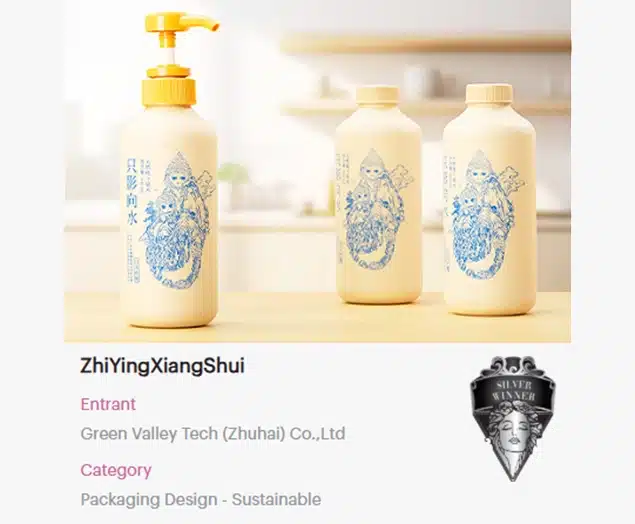
A good example of this proof-based direction is the sustainable paper bottle from GVPAK. Our bottles use sugarcane bagasse pulp with plant fiber content over 95%, as well as non-toxic inks and coatings; these bottles are completely biodegradable. Under the same capacity and weight conditions, this kind of paper outer shell plus inner liner can reduce plastic use by 65%, and the parts can be manually separated for separate recycling.
3. Smart water bottles shift from a fun gadget to a daily health tool
Smart bottles are more common in 2026, but buyers are less impressed by tech for tech’s sake. The useful smart features are the ones that help with daily habits. People want a bottle that quietly supports them when they are busy, not a bottle that feels complicated.
Hydration tracking is a key part of this. Smart bottles can remind users to drink, log intake, and help build a steady routine. This appeals to office workers, students, and fitness users who forget to drink water during long hours. UV sterilization is another feature that gets attention, especially for travelers and people who worry about cleanliness. The idea is simple: the bottle helps keep itself cleaner with less effort from the user. In places where water quality is inconsistent, this type of feature is the icing on the cake. Temperature control and stronger insulation also sit inside this trend. Many customers want cold water for a whole day, or hot drinks for commuting. In 2026, insulation is seen as daily comfort, not only an outdoor feature.
4. Filtration bottles become a daily water-quality solution
Filtered water bottles keep rising in 2026, and not only for hiking. In many regions, people do not fully trust tap water taste, or they move between places with different water sources. A bottle with a filter becomes a personal solution you can carry anywhere.
This is especially important in emerging markets where water quality may change from area to area. It also matters in fast-growing cities where people commute long distances and buy drinks on the go. A filter bottle can reduce the need to buy single-use water bottles every day. In design terms, brands focus on easy filter replacement, clear changing cycle signals, and a shape that is easy to clean. Many buyers will not adopt a filter bottle if it feels hard to maintain, so simplicity becomes the selling point.
5. Water bottles as personal style and social signaling
A major 2026 trend is that water bottles have moved beyond function and into a status symbol. Color, logo, lid style, and even the bottle silhouette can suggest different identities.
Brands feed this with seasonal colors, limited editions, and collaborations. Scarcity strategies and the act of collecting all styles, where people buy the same bottle many times in different colors, also fueled this trend. Accessories also grow in this space: different straws, lids, and protective boots become a second layer of sales. This trend sells well, but it also has a downside. When the bottle becomes part of fashion cycles, it can lead to waste. A reusable item can start behaving like a disposable item if people replace it just because the look feels old.
6. Pushback to over-collecting: durable, repairable, long-use designs
As bottle collecting grows, a different group of consumers pushes back. There is a “buy it for life” idea: purchase less, choose well-made items, and keep them for a long time. In 2026, this idea spreads because people are tired of endless trend cycles and constant buying.
In practical terms, this pushes design toward durability and repair. Buyers want bottles with strong bodies and parts that can be replaced, like gaskets, lids, and straws. They also want finishes that age reasonably, so the bottle still looks fine after months of daily use. This trend is also tied to cost over time. A more expensive bottle can feel like a smarter buy if it lasts for years and does not need replacement. For many buyers in 2026, long use is both an eco decision and a money decision.
7. Customization goes mainstream: e-commerce and corporate gifting
Customization is a strong trend in 2026 because water bottles are used as branding tools. Many companies prefer custom-printed bottles for staff gifts, events, and client packages. It is a practical item that people use every day, so the logo gets repeated visibility. Online sales also push this trend. When buyers shop online, they expect more control. They want to pick a color, add a name, choose a graphic, or select a limited design. For brands, this means more small runs, faster design updates, and more printing options.
The result is that design teams build bottle graphics like a system. The main logo stays consistent, while colors, patterns, and small text areas can change for different campaigns, sports events, or holidays.
8. Material split: steel for insulation, glass for purity, fiber to cut plastic
In 2026, stainless steel will continue to grow because people want durability and temperature retention. It fits everyday use and outdoor use, and it feels like a long-term item. Many buyers also like that it resists odors and holds up to daily wear. Glass also grows because it signals purity. Some consumers like the clean taste and the chemical-free feeling. Glass can look premium on a desk or in a hotel setting. The trade-off is weight and break risk, so brands often pair glass with sleeves or protective shapes.
At the same time, eco materials gain more attention, especially plant-fiber packaging that reduces plastic use. The GVPAK paper bottle concept connects with this trend because it uses sugarcane bagasse fiber with recycling, biodegradation, and barrier performance. In 2026, more brands explore these fiber-based structures as a way to stand out while meeting sustainability expectations.
How to Design Water Bottles?
Designing a water bottle involves careful planning to meet user needs and stand out. Step 1: Know Your Audience Start by defining who will use the water bottle. Is it for kids, girls, commuters, outdoor enthusiasts, or luxury consumers? Kids need fun, durable, and easy-to-use bottles; outdoor users want insulation and leak-proof lids; luxury buyers seek premium materials and elegant designs.
Step 2: Choose the Right Material Pick a proper material that fits your audience and brand values. If sustainability is key, go for paper, bamboo, or recycled stainless steel. For budget-friendly options, aluminum or BPA-free plastic works. Premium brands might opt for glass or high-grade stainless steel.
Common water bottle materials:
PET or Glass: PET plastic is cost-effective, lightweight, and easy to shape into unique designs—many brands use it for single-use or reusable bottles because it’s convenient to transport and clean. Glass is a premium choice; it’s non-toxic, doesn’t retain flavors, and is fully recyclable. Both materials let designers play with size, neck length, and opening diameter to create distinct looks.
Stainless Steel: A top pick for reusable bottles, stainless steel is durable, long-lasting, and offers great insulation to keep drinks hot or cold. It works well for many shapes, from slim commuter bottles to wide-mouth outdoor options, and is favored by premium brands for its reliability.
Aluminum: Lightweight, affordable, and recyclable, aluminum is popular for on-the-go users. It’s easy to color and customize, making it a hit for casual and sports bottles.
Copper: Eye-catching and naturally antibacterial, copper bottles have a premium look but are less common because some users worry about health effects.
Sustainable Paper: A rising star in eco-friendly design, paper bottles offer a renewable alternative to plastic. These bottles are made from sustainable paper materials, reducing environmental impact while still being functional for water packaging.
Bamboo: Another eco-conscious choice, bamboo is renewable and has a warm, natural look. It’s lightweight but needs careful care to avoid warping.
BPA-Free Plastics: Safe, durable, and clear, these plastics mimic glass without the fragility. They’re great for detailed designs but can scratch over time.
Step 3: Decide on Shape and Size Consider how the bottle will be used. A 16-24 oz size is good for daily commutes, while 32-64 oz works for outdoor activities. Key considerations about water bottle shapes:
Ergonomics: How well the bottle fits in hands, cup holders, or backpacks. Slim, cylindrical shapes work for commuters, while wider, contoured designs are easier to grip during activities.
Functionality: Wide-mouth bottles are good for adding ice or cleaning, while narrow necks prevent spills. Ribs (raised lines) on plastic bottles add strength, reduce material use, and improve grip.
Uniqueness: In a crowded market, unique shapes (like the Starbucks Bearista glass cold cup) help products stand out. For example, luxury bottles might have elegant curves, while kids’ bottles could have fun, playful shapes.
Step 4: Add Functional Features Think about what features your audience needs. Insulation is a must for those wanting hot/cold drinks. Leak-proof lids are essential for commuters and kids. Fitness users might appreciate measuring lines or straws. Outdoor enthusiasts could benefit from built-in filters.
Step 5: Design Labels and Branding Keep branding consistent with your brand’s personality. Use colors that resonate with your audience (bright for kids, neutral for luxury). Make sure logos and text are easy to read. Include key information like material benefits, insulation time, or eco-friendly claims.
Step 6: Test and Refine Test the bottle for durability, functionality, and user-friendliness. Drop it to check for cracks, test the lid for leaks, and see if the shape is comfortable to hold. Get feedback from your target audience and adjust the design (like changing the lid or adjusting the size) if needed.
Step 7: Produce Responsibly Choose a production method that aligns with your values. For eco-friendly designs, use recycled materials or partner with manufacturers that follow sustainable practices. Ensure the bottle is safe (BPA-free, food-grade materials) and meets industry standards.
Best Unique & Creative Water Bottle Design Ideas for 2026
Here are some unique water bottles with special designs or functions for kids, school, travel and running or sports.
Hydaway Collapsible Water Bottle
The first water bottle is a collapsible design, which saves space when you don’t need it. The bottle rolls or folds down to about 1.5 inches thick, so it can slide into a backpack, carry-on, or even a car glove box without taking up room. It still feels reliable because the flip-top lid seals tight to help prevent leaks, so you can toss it in your bag and move on. The body is made from food-grade silicone and BPA-free parts, which makes it safer to drink from and better for cutting down on single-use plastic. It’s also light, fits in cup holders, and has a wide mouth that makes it easier to rinse or wash after a long day.
SAEBO Hand-Grip Fitness Bottle
It is built around how real hands work—especially for people who need extra support. The special grip helps someone with spasticity hold the bottle with an affected hand, while keeping their stronger arm free to do everyday tasks like opening a door, holding a railing, or getting into a car. That small change can mean more independence and safer movement. The bottle is also compact at 10oz and made from BPA-free polypropylene, so it’s light and practical for daily use. As a bonus, when it’s filled, it can even work like a small hand weight for simple exercise.
S’well White Marble Traveler Water Bottle
The White Marble Traveler from S’well looks elegant but also performs well. The marble-style finish makes it feel like a premium item you’d actually want to carry, and the shape is contoured so it sits comfortably in your hand. The double-wall stainless steel helps keep cold drinks cold for up to 24 hours and hot drinks hot for up to 12, which is useful for commuting days or long trips. A wide mouth is another smart detail—it’s easier to add ice cubes, stir a drink, and clean the inside without a struggle. It also doesn’t sweat with condensation, and using a reusable bottle like this helps reduce plastic waste.
Paladone Minecraft Reusable Aluminium Water Bottle
This is a great water bottle design because it makes staying hydrated feel fun and simple. The 600ml aluminium body is a good size for school, work, or travel, and it’s sturdy enough to handle being carried around all day. The screw-top lid is straightforward and secure, so you’re not dealing with complicated parts when you just want a drink. The Minecraft artwork adds personality—fans will recognize Steve right away—so the bottle feels like something you chose, not just something you grabbed. It’s meant for on-the-go use and can help keep your drink hot or cold for longer, even though it needs hand washing instead of going in the dishwasher.
Hello Kitty x Starbucks Stainless Steel Water Bottle
The next one is a Starbucks and Hello Kitty collaboration water bottle, it blends a practical size with an easy-to-carry shape that fits busy days. At 20 ounces, it holds about the same as a large Starbucks drink, so it’s a convenient amount for hitting hydration goals without refilling constantly. The loop at the top is a small feature that matters—it makes the bottle easier to grab or carry when your hands are full with bags, books, or a phone. The stainless steel build also gives it a more durable, long-lasting feel than many plastic bottles. On top of that, the Hello Kitty x Starbucks look makes it collectible and eye-catching, which can be the little push that makes people actually remember to bring their bottle with them.
JGMLZK Phone-Shaped Cute Straw Bottle
This cute bottle makes kids actually want to drink water. It comes in playful mobile phone shapes, so it catches attention fast and feels like a fun accessory, not a chore. It’s small and kid-friendly at 300 ml, and the adjustable shoulder strap with hooks lets a child wear it crossbody for school, the park, camping, or the beach. Safety matters too: it uses food-grade Tritan plastic and is BPA-free, so parents can feel more comfortable about daily use. The lid is made to seal well when closed the right way, which helps prevent leaks in a backpack, and the straw-style drinking makes sipping easier for small kids.
LitFlask Smart Water Bottle
This water bottle is cleverly designed and solves several drinking water problems when you’re out and about. It’s a real insulated stainless-steel bottle first, with double walls that keep drinks cold for up to 24 hours or hot for about 12, so your water or coffee stays the way you like it. Then it adds smart extras that people often carry separately: a built-in Bluetooth speaker for music, a 5,000mAh power bank so your phone and earbuds don’t die, and an LED base with color modes for nights out or group hangouts. The idea is simple—less stuff in your hands, more fun in the moment. It even comes with a USB-C cable, and the speaker is designed to sound surprisingly strong for something built into a bottle.
KidsBestie Camera-Shaped Water Bottle with Popup Sipper
This is a good water bottle design because it turns hydration into something playful and easy. The camera shape feels special—kids love it, and even photography fans might smile when they see it, so it stands out from boring plain bottles. A pop-up sipper button makes drinking quick: press, sip, and close again, which helps reduce spills during school, picnics, or car rides. It’s also lightweight and compact, with a removable strap so it can be carried like a small bag instead of stuffed into a backpack. The leak-proof seal is another useful detail because it helps keep books and snacks dry. And since it’s a preloved bottle, it’s also a more eco-friendly choice that gives an item a second life.
Want to Customize the Same Packaging for Your Brand?
Let’s talk to us, share your dream project and we will transform it into reality.
Dedicated to providing customers with one-stop solutions, from creative design to meticulous production and secure delivery, ensuring perfection at every step.