The Short Version
We follow packaging design around the world, and one shift has become increasingly clear: the best projects today are no longer just about color, layout, or visual style.
More and more brands are treating packaging as a business tool. It’s no longer just about making a good first impression — it’s about helping users understand the product, build habits, expand the product line, drive repeat purchases, and get shared.
In other words, packaging is moving from being a “visual output” to being “part of the brand system.” The 6 cases below each represent a signal worth tracking.
01 What’s Changing First Isn’t the Visual Style — It’s How Brands Manage Ongoing Use
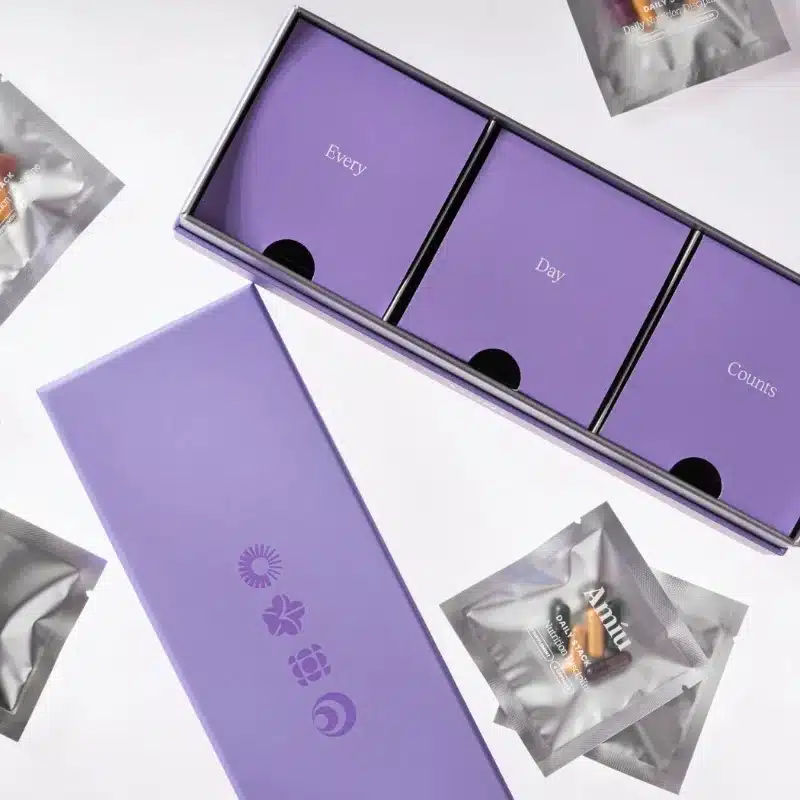
Case: Amíu Daily Stack
Many functional nutrition brands used to sell ingredients. The stronger brands today are selling routines.
Amíu’s Daily Stack is a clear example. Its real value isn’t a more refined visual — it’s that the packaging directly fits into the user’s daily habits.
When a brand builds logic like “30 days,” “daily serving,” and “continuous use” directly into the packaging structure, the packaging doesn’t just get noticed once. It starts helping users keep going.
The business goal behind this kind of design is straightforward: the brand isn’t just chasing the first purchase — it’s improving completion rates and repeat purchases.
02 Packaging Is Translating “Niche Performance Products” Into “Mainstream Wellness”
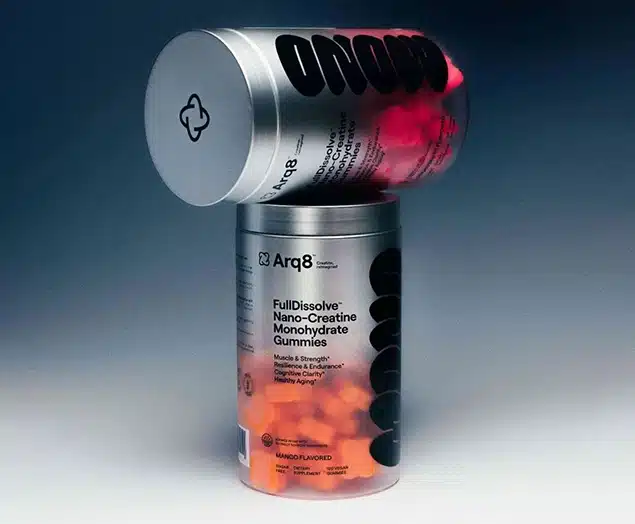
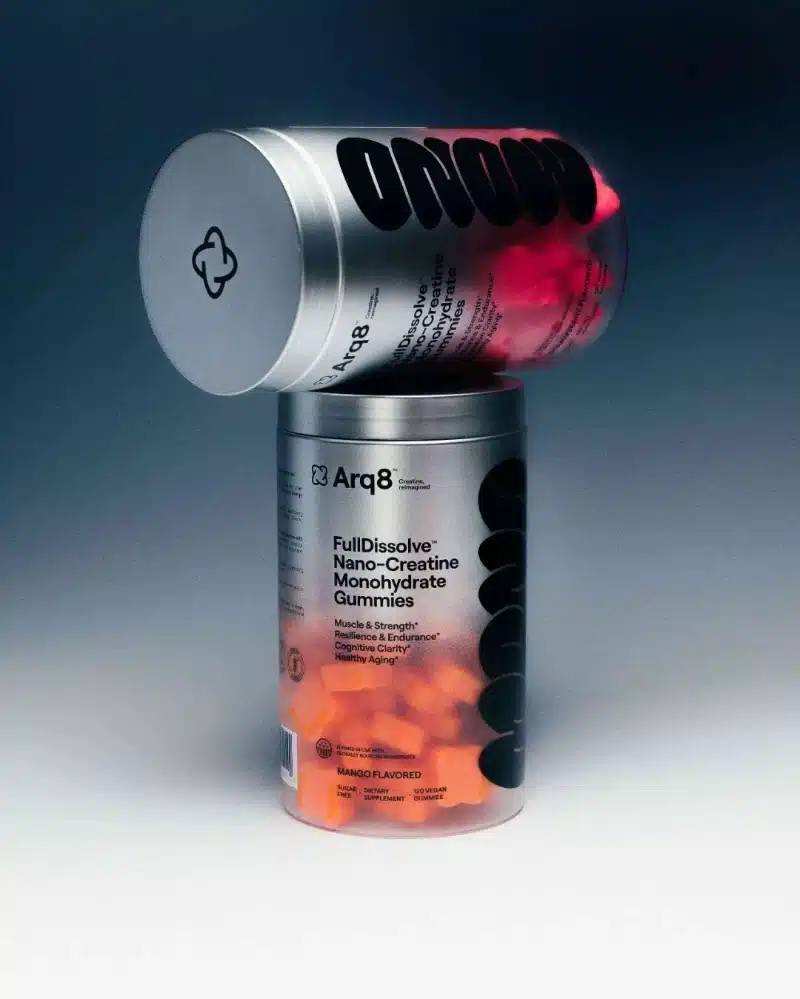
Case: ARQ8
ARQ8 works with creatine — a category that has traditionally been very performance-focused.
But instead of leaning further into the hardcore, strength, muscle direction, it’s doing something more important: translating a niche language into something more everyday and broadly wellness-oriented.
The packaging looks softer — not because the designer “held back,” but because the brand wants to lower the barrier to entry and expand its audience from a small group of serious athletes to a much larger health supplement packaging consumer base.
So what really changed here isn’t the style — it’s the market definition. The packaging is reintroducing a functional category to a bigger audience.
03 A Good Packaging System Isn’t One Great-Looking SKU — It Leaves Room to Grow
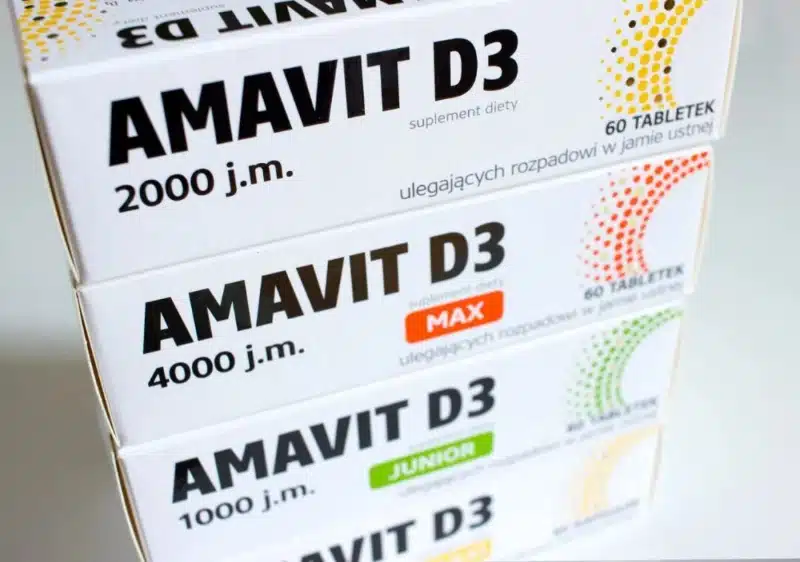
Case: Amavit D3
What’s most worth looking at in a project like Amavit D3 isn’t the single package itself — it’s how it builds a system that can expand from the start.
Once a brand enters a continuous growth phase, packaging can’t start from zero every time. A truly effective system locks in the visual hierarchy, information order, and brand structure first — then leaves room for individual products to vary.
This means packaging is no longer just the final visual step. It’s part of how efficiently the brand can launch new products in the future.
When a brand is running multiple SKUs, formats, and use cases, the stability of the packaging system directly affects launch speed and shelf recognition.
04 Sensitive Health Categories Need More Than “Professional” — They Need to Feel Approachable
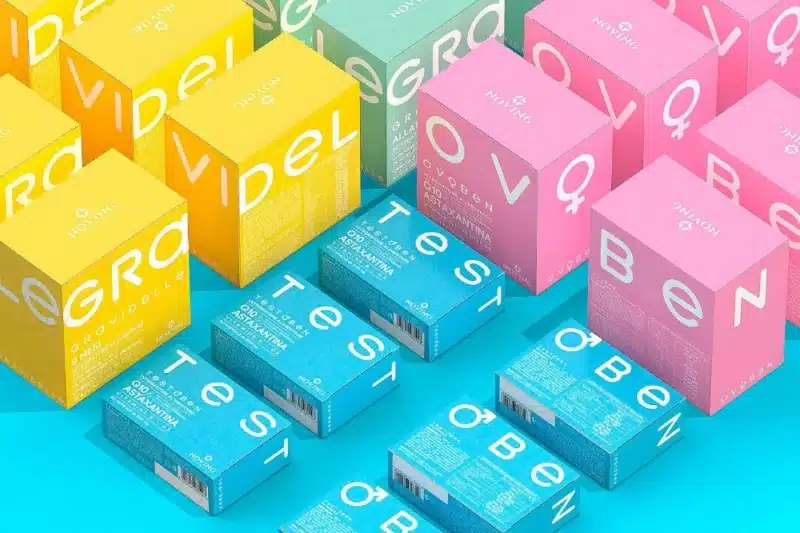
Case: Noving
For products like Noving, which sit in women’s health, the challenge has never been just about communicating information clearly.
It’s also about managing how users feel when they enter this category: will they feel anxious, resistant, or like they’re reading a medical form?
So good packaging doesn’t just need to look trustworthy — it needs to look easy to approach.
In categories like this, packaging isn’t just doing a single conversion job. It’s also reducing psychological friction and helping users move from hesitation to understanding.
To put it plainly: when a brand is selling a sensitive topic, the packaging is first doing emotional translation.
05 Subscription Brands Are Asking: Can the Packaging Support a Long-Term Relationship?
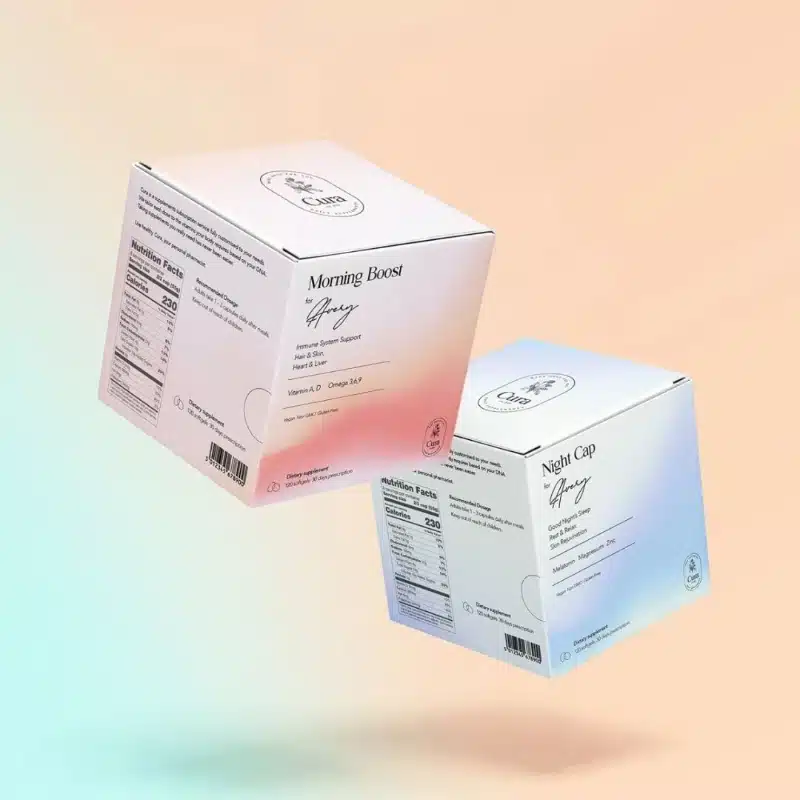
Case: Cura
Brands like Cura don’t follow traditional retail logic — they follow subscription logic.
In a subscription model, packaging doesn’t just serve the moment of first click, first order, or first delivery. It has to serve a longer cycle: can users easily understand it, will they keep it nearby, will they want to continue?
At that point, packaging shifts from being a one-time display object to being part of an ongoing relationship.
For subscription brands, packaging design is essentially supporting retention. It needs to hold up across repeated use — not just the first unboxing moment.
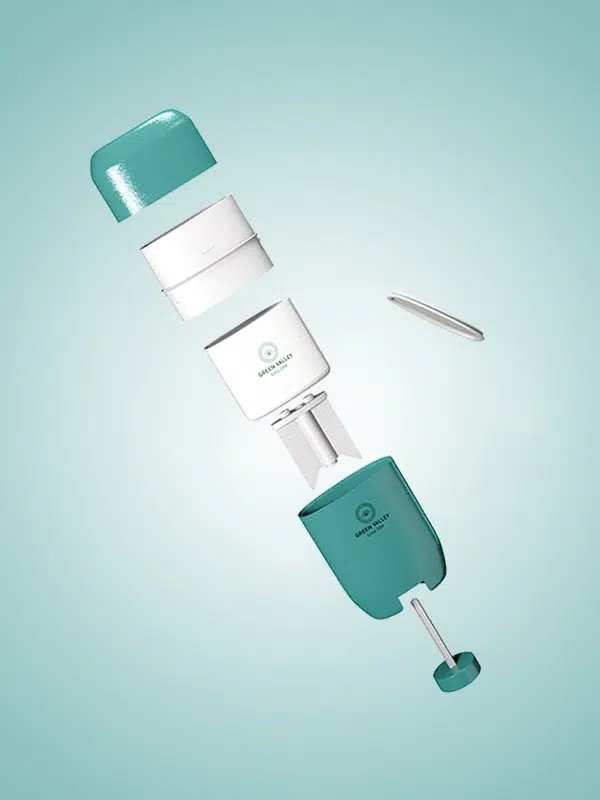
This logic shows up especially clearly in deodorant packaging. More and more personal care brands are adopting a reusable outer case with a replaceable inner refill — users buy the case once, then replace the biodegradable refill on a regular cycle.
This lowers the barrier to entry while naturally building repeat purchase behavior. The subscription model here isn’t just a sales strategy — it’s an outcome driven by the packaging structure itself.
06 More Brands Will Turn “Awkward Topics” Into “Shareable Conversations”
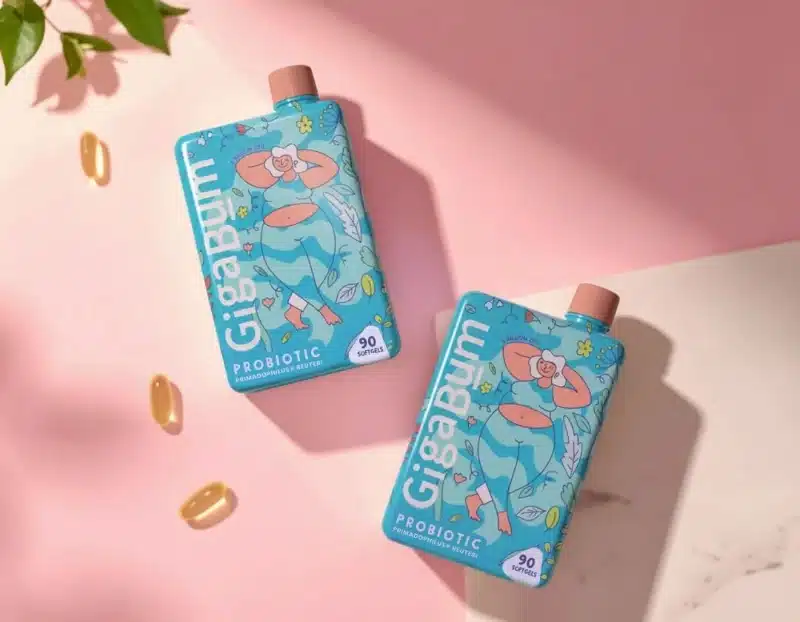
Case: Gigabum
Gigabum works in gut health. Topics like this used to go one of two ways: either very clinical, or very much like a product instruction manual.
But a growing number of new brands are taking a third path: making topics that are hard to talk about feel lighter, more human, and more worth sharing.
The value of this kind of packaging is especially visible on social media. For a brand to get discussed, shared, and remembered, packaging can’t just be “correct” — it has to be something people actually want to talk about, photograph, and pass on.
So packaging here isn’t just carrying an informational responsibility — it’s carrying part of the content distribution responsibility.
Why These 6 Signals Are Worth Tracking
Looking at all 6 cases together, the most important shift in today’s global packaging trends isn’t about which color is popular or which font is trending.
What’s really changing is how brands are redefining the role of packaging: it can help build habits, support product expansion, improve retention, lower the cost of understanding, and become a channel for spreading the brand.
So if you’re still thinking about packaging as just “making it look better,” that’s no longer quite enough. The more useful question is: What kind of brand growth is this packaging actually serving?