Food Packaging Trends 2026 & Best Food Packaging Design Ideas
November 27, 2025 · LJC
AI-customized fruit boxes and rice ball packages that tear open effortlessly are no longer just containers; they’re like thoughtful friends, quietly swaying your choices. The food packaging trends of 2026 sort out the latest changes coming to the industry and 10 viable design ideas you can consider.
Latest New Food Packaging Trends 2026
The 2026 packaging trends for the food industry focus on multiple aspects, including sustainable development, technological application, innovative designs, and upgraded consumer experience. Beyond these key trends, there are also emerging directions that mix closely with them. For instance, community co-creation relies on new technology to keep costs low, and packaging that fits busy life is also a change made around user experience.
1. Sustainable Food Packaging Materials, Designs, and Business Models
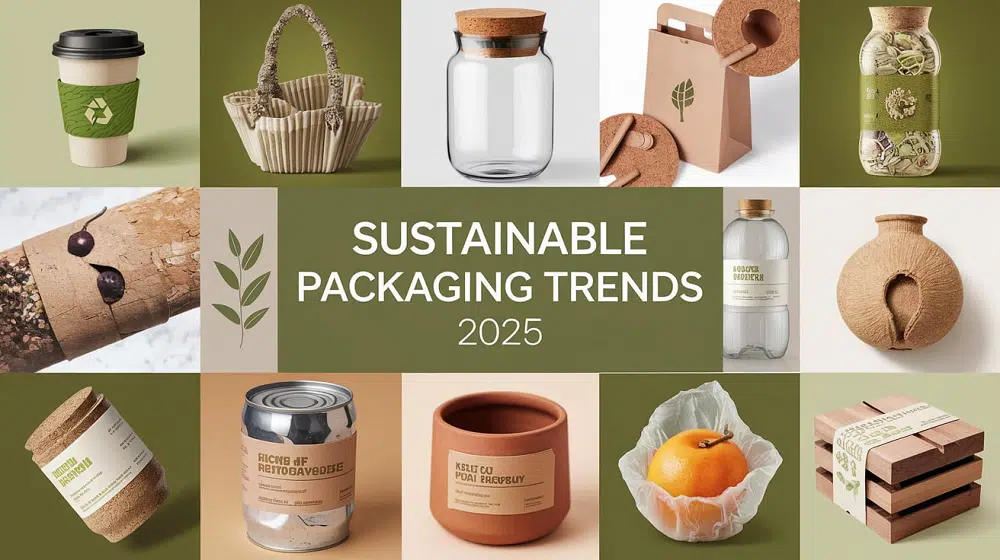
Sustainability is still the core trend for food packaging in the next year, characterized by multi-dimensional development: it adopts traditional recycled materials, next-gen bio-based options, and hyper-sustainable packaging, focuses on inclusive design and circular solutions, and blends lightweight luxury with single-material simplification to cut emissions and boost recyclability. Diverse business models turn sustainability into a strategic advantage, meeting regulatory demands and consumer expectations.
What Types of Materials Are Used for Sustainable Food Packaging?
Hyper-sustainable materials: Food packaging will use luxury and eco-friendly materials like seaweed-based films, compostable inks, mushroom leather, and paper made from agricultural waste.
Traditional eco-friendly materials: Brands widely adopt recycled papers and films, and also utilize digital printing to reduce chemical processing and lower energy consumption.
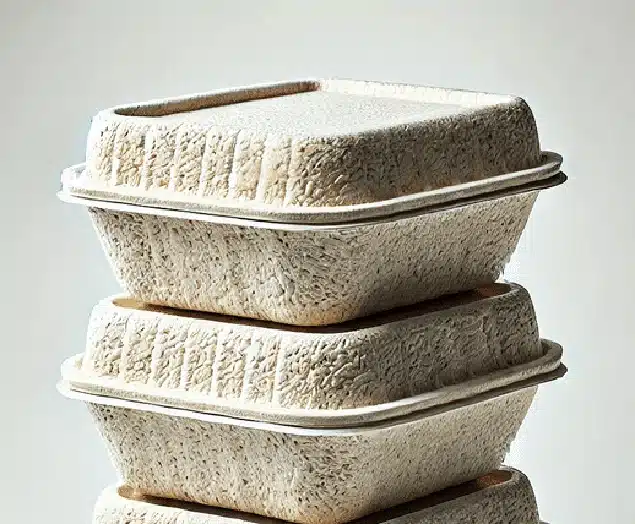
Next-generation bio-based materials: Polylactic Acid (PLA, derived from corn starch) and mycelium (mushroom)-based packaging are gradually replacing conventional plastics. These materials biodegrade in compost within months.
Closed-loop systems & circular packaging designs: Single-use packaging is on the decline, with circular packaging designed for reuse, refilling, or repurposing becoming mainstream. Deposit-return schemes, once limited to beverage bottles, are now expanding to food-related household products. This encourages consumers to keep packaging in use or return it to manufacturers instead of discarding.
Business Models for Sustainable Food Packaging
Transform packaging into recyclable assets; extend packaging lifecycle through deposit-return schemes and subscription systems, reducing long-term costs and increasing customer repurchase rates.
Take eco-friendly materials as a differentiated selling point; mark certification information or create “eco-luxury” designs, covering costs and building a high-end brand image through pricing premiums.
Collaborate with upstream and downstream partners to optimize costs through bulk purchasing, lightweight design, and digital printing, achieving a balance between sustainability and low costs.
Proactively adapt to local environmental regulations and participate in industry certifications to avoid risks such as fines and sales bans, ensuring business continuity and enhancing brand credibility.
Use sustainable packaging as an interactive medium; enhance user engagement and brand loyalty through QR code guidance, reusable designs, and themed activities.
Cooperate with environmental organizations, cross-industry brands, or e-commerce platforms to share resources, expand scenarios, reduce costs, and reach new users.
2. Application of Smart Packaging and AI
Technology transforms food packaging from a simple container into an intelligent tool with tracking, interaction, and guidance capabilities, while optimizing production and user experiences. In addition, the increasingly advanced AI tools can be used to create tons of packaging ideas in the shortest time.
Designers will use AI tools for rapid ideation, generating thousands of packaging concepts in seconds. Human designers will then refine these into final designs. The best designs will blend machine efficiency with human emotional storytelling.
NFC tags, RFID, and IoT sensors track food from production to shelves, monitoring freshness, temperature, and authenticity (critical for food and wine). They are also alert to transit damage, ensuring product quality.
QR codes serve as environmental guides for consumers. For example, Danone prints QR codes on beverage bottles, consumers scan the code and enter their ZIP code to access real-time local recycling guidelines. Label-free QR code technology also enables sustainable returns for e-commerce food brands, allowing customers to ship items without printed labels.
3. Innovative Designs Combine Minimalism and Individuality
Food packaging design pursues visual differentiation through minimalist, bold, and nostalgic styles to attract consumers while conveying brand values.
Moving beyond sterile minimalism, the future trend focuses on meaning. Every line, colour, and texture tells a brand’s story. Expect clean layouts with warm tones, natural textures, and breathable fonts. The result is calm, confident packaging that communicates purpose clearly and feels sophisticated.
We will see more vibrant, eye-catching palettes on the food packaging, such as candy neons, clashing hues, electric blues, deep greens, and bright oranges. These colors are chosen strategically, greens signal sustainability, oranges convey optimism, and blues evoke digital energy to grab attention and resonate emotionally in crowded stores.
Another trend is blending nostalgic elements (70s typography, 90s pixel art, Y2K metallics) with modern, innovative design and finishes. It appeals to a fondness for vintage aesthetics and also injects fresh, contemporary elements.
Typography becomes the spotlight. Brands will use custom fonts, oversized lettering, and kinetic (animated) type to express their identity. Styles will range from bold serif revivals and personal handwritten fonts to confident geometric sans-serifs, where the font itself defines the brand’s mood and message more than imagery.
Moving beyond standard boxes, packaging will feature unexpected, fun shapes: curves, unique folds, modular stacking, and ergonomic designs that feel good in the hand.
Packaging will actively celebrate diversity and heritage. Expect designs incorporating local art forms, traditional patterns, and regional languages or colour palettes.
4. Consumer Experience Upgrade
Food packaging evolves from a product container to a communication bridge between brands and consumers. The future packaging will become more convenient to use for different kinds of people and showcase the information in a clearer and faster way.
Food packaging will prominently display clean ingredient lists, ethical sourcing details, and certifications. See-through windows to show the actual food product will become common, prioritizing absolute integrity and building trust through honesty.
Packaging prioritizes usability for all, including people with disabilities. Features like Braille labels, ergonomic grips, slip-resistant materials, and hyper-legible fonts (e.g., Atkinson Hyperlegible) ensure accessibility. For example, Tilt Beauty won awards for mascara packaging designed for arthritis sufferers and low-vision users.
Premium brands ditch heavy materials for lightweight, eco-friendly designs. Johnnie Walker Blue Label Ultra uses a 180g teardrop glass bottle (half the weight of traditional bottles), cutting carbon emissions by 335g per unit.
With digital printing, brands can offer customized packaging, like customer names or custom graphics on food packaging, creating a sense of exclusivity.
5. Community & Co-creation Integration
This trend moves away from the old way, where only brands decide what packaging looks like. Instead, it focuses on making people feel they belong to a group and letting them take part in the design. In this new way, packaging isn’t just a cover for the product. It’s a sign that you’re part of a group, and something you helped make. There are two main ways this works. First, brands target small groups with shared interests. They make joint packaging that fits the group’s style. For example, Yorkshire Tea (a British tea brand) worked with POPeART to make packaging shaped like a game controller. This attracted both people who love British tea and people who play video games. Second, brands let customers help design packaging. They use AI tools or ask for ideas online. Betty Crocker, for instance, held an “AI Cake Design Workshop” in Manchester. Customers used AI to make their perfect cake look, and got packaging that matched. Even small brands can do this cheaply with digital printing.
6. Health Priority
More people care about being healthy, and many manage their health at home now. This changes what packaging does. It no longer just lists ingredients; it now shares health info and helps with daily health tasks. First, food packaging gives easy access to health info via QR codes. For example, WebMD TV (a health website) links its health tips to food packaging. When you scan the code, you get diet advice that goes with the product. In Fuzhou, many pre-packaged foods have digital labels too—scanning the code shows details like how the food was made, quality checks, and nutrition facts. This fixes the problem of tiny, hard-to-read text on old packaging. Second, some packaging starts to help manage health. Right now, most food packaging just shares info, but more useful features are coming. Some designs can remind you to take medicine or track what you eat, which fits with the rise of online health services.
7. Convenience for Lifestyle Adaptation
People are busy and often do many things at once. It improves how the packaging looks, what info it shows, and how you open it. The goal is to make sure it’s easy to grab, simple to open, and the info is easy to see. For food you eat on the go, there are designs that open in one step and don’t leak, perfect for outdoor trips or commutes.
Top 10 Food Packaging Design Ideas
Here are some creative and eye-catching food container and packaging design ideas for different industries. For custom food packaging solutions and durable boxes, welcome to contact us for manufacturing high-quality food and beverage packaging, such as chocolates, candies, cookies, and honey, etc.
Lucky Charms Just Magical Marshmallows
Lucky Charms keeps its familiar brand energy, but this limited “Just Magical Marshmallows” pack turns up the volume with a bolder, more graphic look that grabs attention fast. The large, confident type and bright colors make the pouch easy to spot on a shelf, while the format itself is clearly built for real use. Because it’s a resealable pouch, it protects the marshmallows after opening, helping them stay fresh and crisp instead of going stale. This packaging design combines strong visual impact with a practical feature that improves the eating experience.
Greenomic Good Hair Day Pasta
Good Hair Day Pasta proves that packaging can explain a product without saying much at all, simply by letting the food become the “picture.” Instead of typical plastic bags and predictable branding, the pasta comes in a recyclable cardboard box that feels more premium and more eco-considerate. The smartest feature is the clear window shaped like a hairstyle, which reveals the pasta inside so it literally looks like hair—an instant, funny connection to the brand name. It is playful, memorable, and informative at the same time: you see the pasta type immediately, and the concept is so clear you understand it in seconds.
The RICE’s Guardian (Marco Arroyo-Vázquez)
The RICE’s Guardian uses packaging to tell a gentle story about tradition, care, and quality, which makes the product feel special before you even cook it. The hedgehog “guardian” character adds warmth and a sense of protection, suggesting the rice is watched over and grown with attention. Details like handwritten-style typography inspired by rice grains and small grain-shaped visuals help customers recognize different varieties while keeping the identity unique. Made with kraft paper, tie closures, and a cardboard tag, the pack looks handmade and sustainable, which fits the natural, heritage theme. This packaging communicates premium and authentic through materials, illustration, and storytelling rather than relying on flashy claims.
VICTRIX Dietary Supplement (Yana Dudkina)
VICTRIX brings a clear, sporty idea into a clean modern system by turning each supplement jar into a small piece of tennis culture. The transparent square container echoes the shape of a tennis court, and the bright lime ball inside becomes a simple symbol for energy and performance. Each version is easy to tell apart because the colors reference Grand Slam tournaments—sky blue, clay orange, grassy green, and cobalt blue—so the range feels organized and collectible. The overall design stays bold but minimal, which helps the concept feel sharp and confident instead of cluttered. This packaging builds instant recognition, makes the product benefits feel tangible, and creates a strong theme people can remember.
Funky Fat Chocolates
Funky Fat Chocolates uses a tidy, uncluttered design to communicate “healthy chocolate” without overloading the customer with noise. The layout is clean, so key messages—like organic and sugar-free ingredients—stand out quickly and feel trustworthy. A simple heart and bicep logo reinforces the brand’s wellness angle, linking the product to strength and better choices. Another smart feature is the prominent cocoa percentage, which gives shoppers useful information at a glance and supports transparency. It balances branding and facts: it looks calm and modern while still making the most important details easy to find.
Serkova Summer Limited Edition Bottle
Serkova’s limited edition bottle by Antonia Skaraki is designed like a nightlife souvenir—something you’d want to keep, not just finish and throw away. The label takes inspiration from thermal imaging, using heat-map colors and energetic silhouettes to suggest movement, crowds, and late-night intensity. A UV-reactive finish adds a surprise effect under blacklight, which fits perfectly with clubs and parties, making the product feel interactive and “alive.” Through all the visual chaos, the iconic red “X” acts as a strong anchor so the brand remains recognizable. It matches the lifestyle of its audience, stands out in low-light social settings, and turns the bottle into a collectible object.
Lights & Shadows Tea Packaging
Lights & Shadows makes tea feel like a small ritual by designing the package as an unfolding story. Inspired by Matryoshka dolls, the container is two-layered, so opening it reveals something hidden inside—like discovering a secret “world” along with the blend. The “open eye” element adds mystery and invites curiosity, while the twelve different illustrations help each organic flavor feel distinct and memorable. By balancing soft charm with a tactile, crafted structure, the packaging turns unboxing into part of the calming tea experience. It uses form, illustration, and surprise to create emotional value—not just product protection.
Lazy Food Pasta
Lazy Food’s pasta packaging is built for fast understanding and strong shelf impact, which suits its promise of simple, convenient meals. It uses bold color blocks connected to the main ingredient, so shoppers can quickly sense the flavor profile even before reading. Oversized typography makes the product name and key idea hard to miss, especially from a distance. Instead of polished plated photos, the packaging shows food served directly from the pot, which reinforces the one-pot convenience message in an honest, practical way. This works great because the visuals match the lifestyle benefit—easy cooking—while staying playful and highly recognizable.
KAKTUS Organic Soda Bottle
KAKTUS turns its bottle into a statement about confidence and individuality, using design to celebrate difference rather than hide it. The brand draws from the many shapes of cacti, so the packaging embraces irregular forms, bold colors, and playful variety—each one feeling like a different personality. Those visual differences act as a metaphor for body diversity: tall, short, curvy, spiky, all presented as equally fun and valid. Small floral details suggest growth and inner bloom, adding softness to the strong attitude. It creates a clear emotional message, builds a memorable identity, and makes the product stand out through character instead of conventional perfect styling.
Avgoulakia Extra Fresh Eggs
Avgoulakia makes eggs feel fresh and entertaining by introducing a bold character and a clear story right on the carton. The design centers on Chrysi, a blue-toned hen with a gold-medalist vibe that hints at speed, pride, and Greek identity. Her red headband and the cheeky slogan “JUST EAT IT” give the pack humor and energy, helping it break away from typical neutral farm egg packaging. A calmer background keeps the character as the focus, while the comic-like style makes the brand feel modern and easy to remember. This packaging box can provide instant recognition in a crowded aisle and turns a basic product into something with personality and narrative.
Green Valley offers a wide range of food packaging products and customizable solutions for brands selling chocolates, candies, cookies, honey, beverages, and more. Our product lineup includes eco-friendly options like molded pulp boxes (for mooncakes, sauces, eggs, and tea) and recyclable paper packaging, as well as creative designs such as round tubes, special-shaped boxes (flower, heart, rabbit, half-moon), rigid boxes, bakery boxes, and paper bags—all meeting food safety standards. With 17 years of experience, Gvpak.com provides user-friendly services: free design, 3D mockups, and blank samples, plus customization like clear windows, handles, foil stamping, or biodegradable materials. We handle both small and large orders, offer door-to-door delivery, keep after-sales complaints low, and update on new trends monthly. As a reliable manufacturer, we balance durability, attractiveness, and sustainability to support food brands’ needs.
Dedicated to providing customers with one-stop solutions, from creative design to meticulous production and secure delivery, ensuring perfection at every step.