Creative packaging in 2026 is not just about making a box look unusual. The strongest packaging ideas are becoming faster to test, easier to adapt, more interactive, and more connected to real customer feedback. In other words, creativity is moving closer to market response.
Why Creative Packaging in 2026 Is Becoming More Market-Driven
For a long time, creative packaging was often judged by how surprising it looked. A special structure, a bold graphic, a limited-edition sleeve, or an unusual finish could be enough to make a product feel fresh.
That is changing. In 2026, packaging creativity is becoming more practical and more responsive. Brands want packaging ideas that can be tested earlier, adjusted faster, and connected more closely to customer expectations before the first physical sample is even made.
This is a major shift for packaging teams. Instead of developing a complete concept behind closed doors and showing it to the market only after a long sampling process, brands can now use AI visuals, quick concept testing, refill system prototypes, connected packaging features, and tactile finishes to build packaging around feedback.
The most creative packaging in 2026 will not be the loudest design. It will be the design that helps a brand respond faster, learn from the market earlier, and turn a good idea into a better product experience.
At GVPAK, we see this shift clearly in custom packaging projects. More clients are not just asking, “Can you make this look premium?” They are asking how quickly we can explore directions, visualize options, test reactions, and refine the packaging before production.
GVPAK Creative Impact Chart for 2026
The chart below is an editorial scoring model from GVPAK. It is not a laboratory rating. It ranks each trend by how strongly it can influence commercial packaging projects in 2026, based on brand impact, practical usability, production readiness, and customer experience.
Score: 1 = niche or early-stage · 5 = highly useful for many brands
AI-Personalized Packaging 4.8 / 5
Refillable & Reusable Systems 4.4 / 5
Bio-Based Materials 4.3 / 5
Smart Connected Packaging 4.2 / 5
Tactile Minimalism 4.1 / 5
The 5 Most Creative Packaging Design Trends in 2026
1. AI-Personalized Packaging
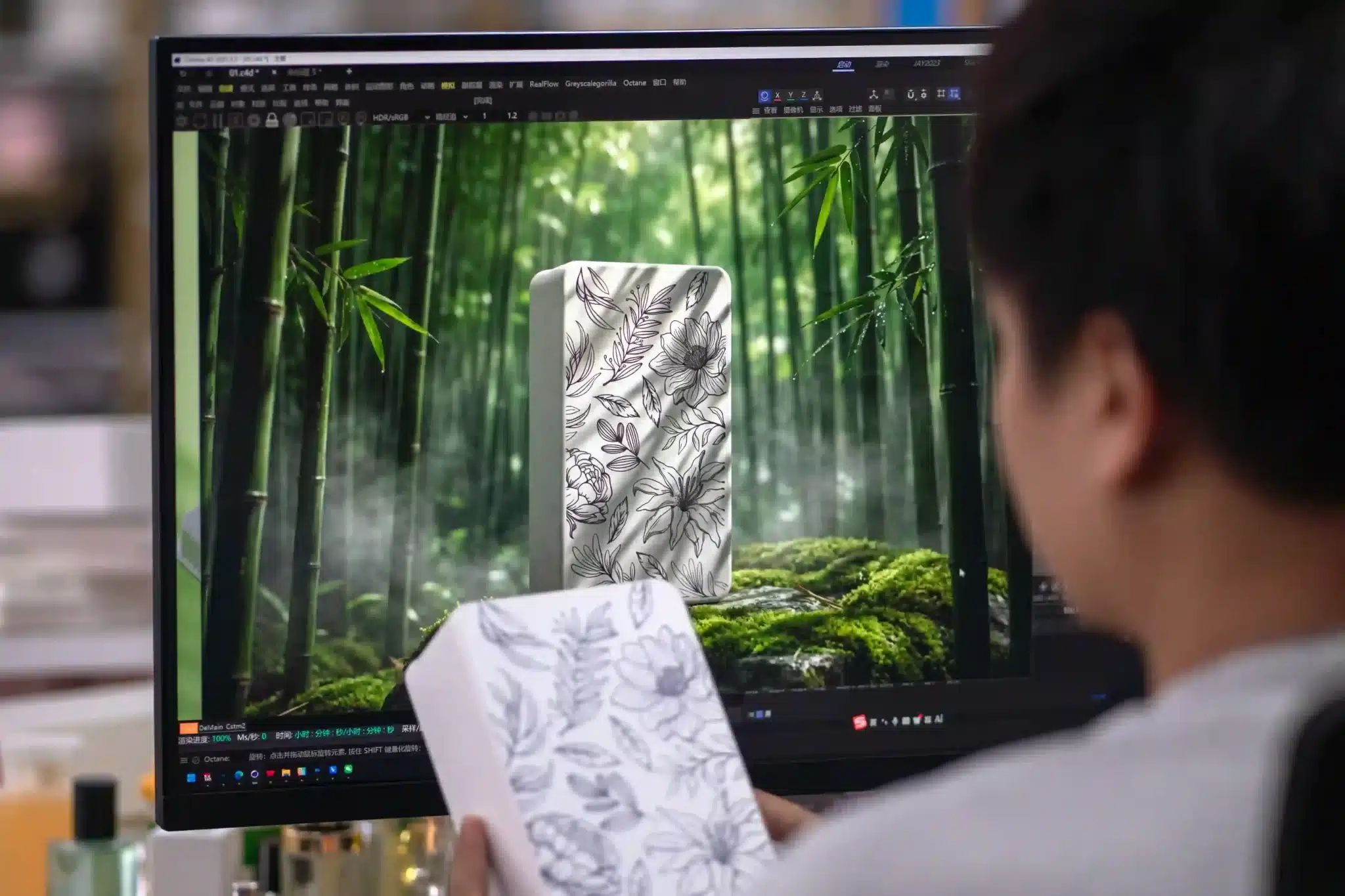
Photo note: Shot on April 9, 2026 — the GVPAK design team creating AI packaging visuals for a client presentation.
AI-personalized packaging is useful for almost every type of brand, not only technology brands or limited-edition products. In the early design stage, AI can help teams collect market signals, study user feedback, compare competitor styles, and quickly turn a rough idea into visual packaging directions.
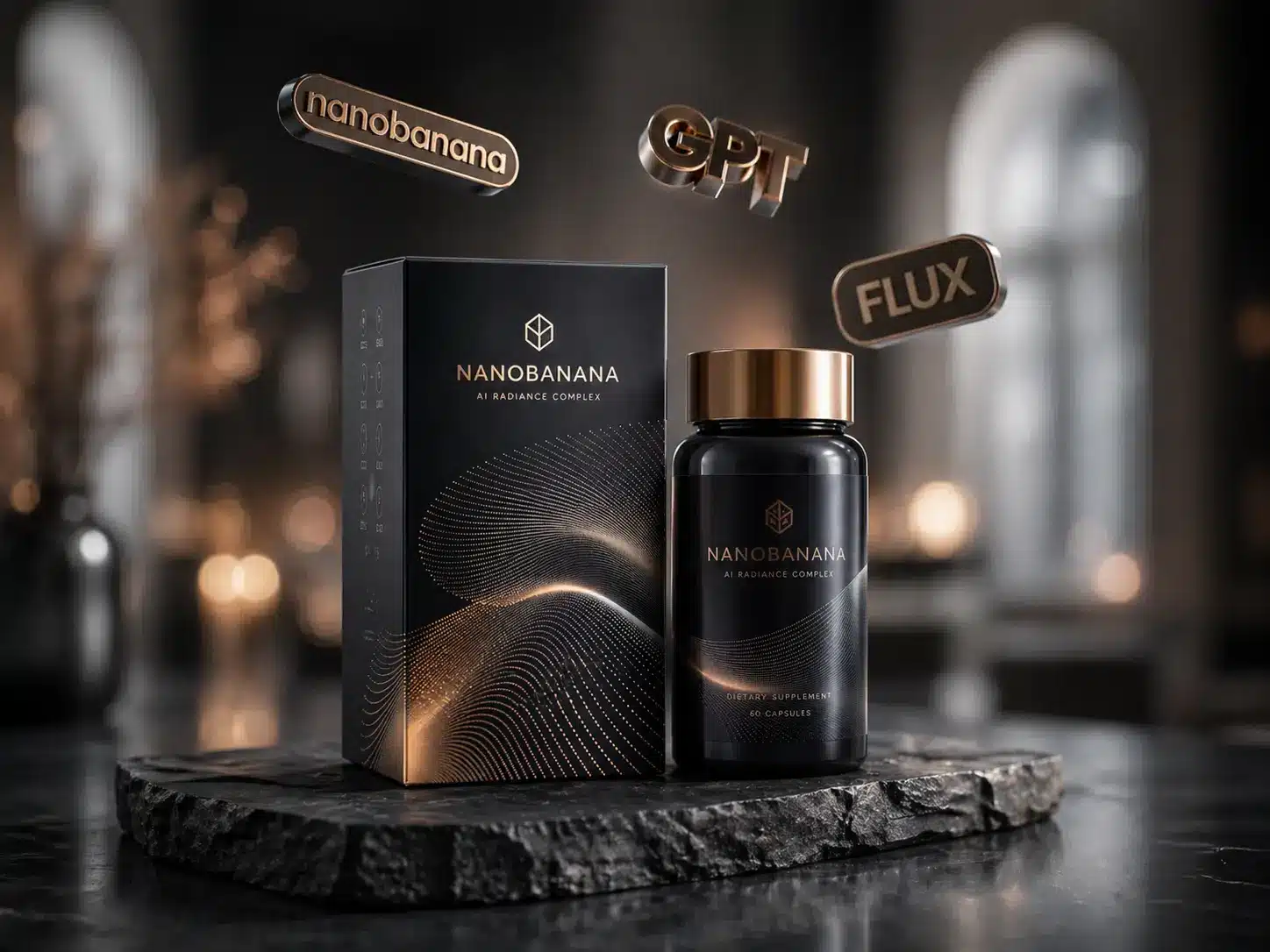
This changes the traditional packaging development process in a very practical way. In the past, a brand usually developed a concept internally, waited for design drafts, produced samples, and then collected feedback. Now, with AI image-generation workflows such as GPT Image 2, Nano Banana Pro/2, FLUX, and similar tools, a team can create several polished concept mockups first, show them to customers or internal buyers, collect reactions, and then reverse-develop the packaging around what the market actually responds to.
That does not mean AI replaces packaging designers. It means the starting point becomes faster and more feedback-driven. Designers still need to judge structure, paper, printing, finishing, cost, and production feasibility. But AI makes the first round of imagination much less expensive and much faster.
GVPAK perspective: we have built a lot of internal experience with AI-assisted packaging design. Many clients we work with are genuinely surprised by how quickly we can respond with refined packaging effects and concept visuals. For us, AI is not a gimmick. It is becoming a practical way to shorten the distance between market feedback and packaging development.
2. Refillable & Reusable Systems
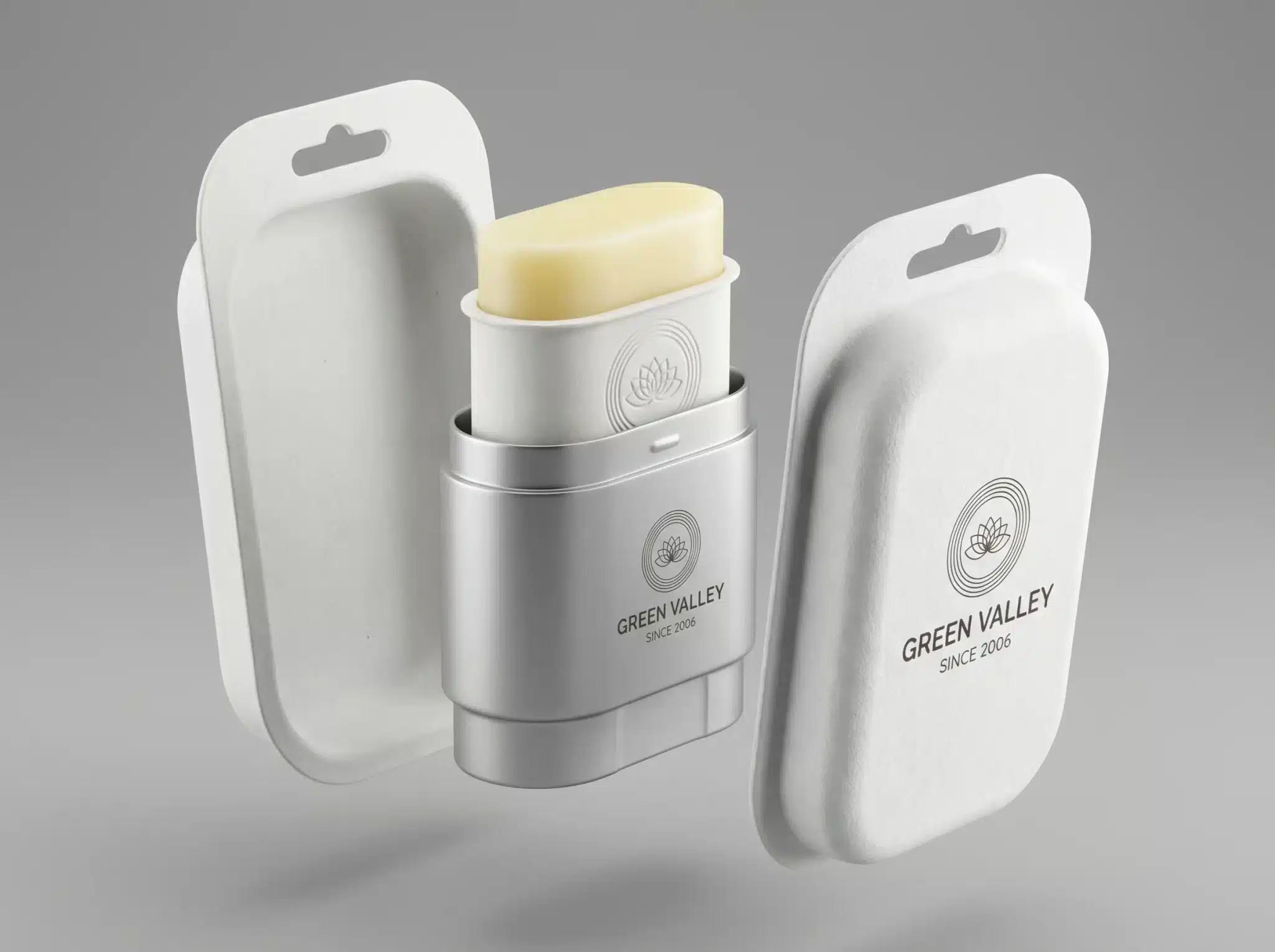
Refillable and reusable packaging is becoming one of the strongest creative directions because it changes the relationship between the customer and the package. A jar, case, bottle, or container is no longer thrown away immediately. It becomes part of the product experience.
In practice, this trend includes refill pods, reusable jars, returnable containers, modular inserts, replacement cartridges, and packaging designed for repeat handling. It works especially well for beauty, skincare, fragrance, homecare, wellness, and premium lifestyle products.
GVPAK perspective: refill packaging is not just a container. It is a behavior design problem. If the refill is messy, hard to understand, or not visibly better than buying a new pack, customers may admire the idea but not repeat it.
3. Bio-Based Materials
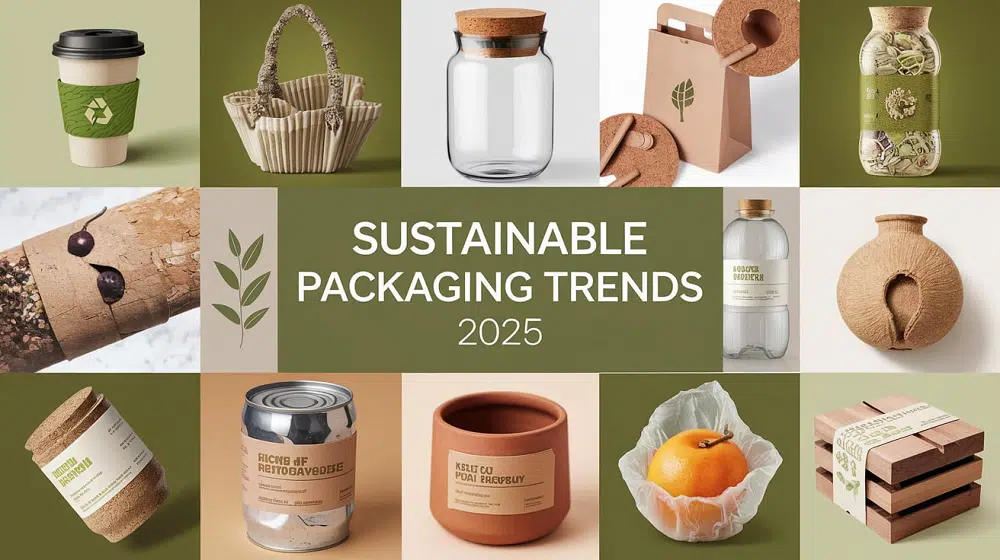
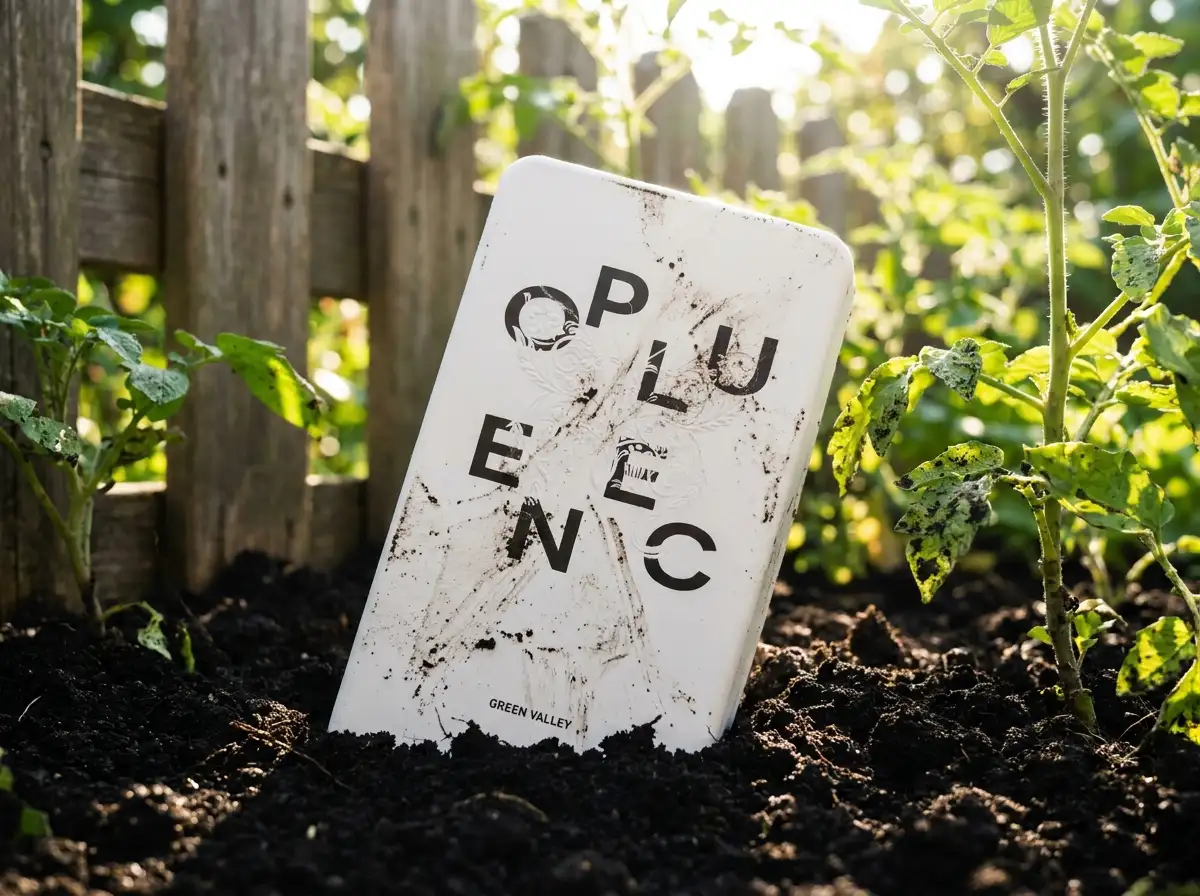
Bio-based materials are giving packaging designers a richer material language. Mycelium, seaweed films, molded fiber, agricultural-waste paper, compostable substrates, and other fiber-based materials can make packaging feel natural, experimental, and more responsible.
For brands, this trend is becoming more urgent because packaging is being shaped not only by aesthetics, but also by regulation. Rules such as the EU Packaging and Packaging Waste Regulation (PPWR) are pushing companies to think more seriously about recyclability, material reduction, reuse potential, and clearer packaging responsibility.
For brands, this trend is powerful because the material itself becomes part of the story. A molded fiber tray, a compostable insert, or a seaweed-based wrap can communicate more than a printed sustainability claim ever could.
Still, material choice must be handled carefully. Bio-based does not automatically mean recyclable, compostable, durable, or suitable for every supply chain. Brands should test moisture resistance, surface finish, tolerance, shelf life, and disposal instructions before scaling.
GVPAK perspective: bio-based materials work best when they solve a real packaging problem. For example, eco packaging should not only look natural. It should protect the product, support the brand story, and give customers clear disposal guidance.
4. Smart Connected Packaging
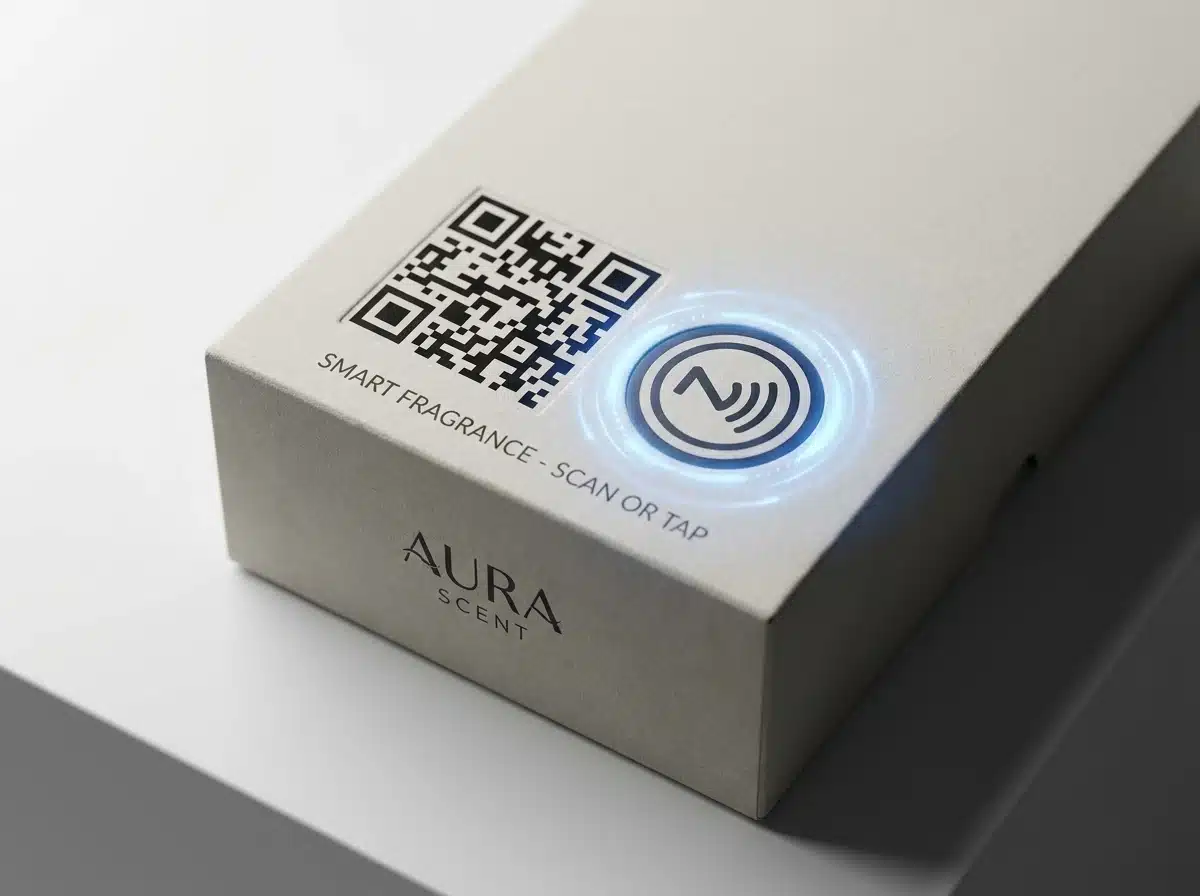
Smart connected packaging turns a physical pack into a digital entry point. QR codes, NFC tags, AR layers, authentication tools, and traceability pages can connect customers to product origin, usage tutorials, sustainability details, refill instructions, and brand storytelling.
This trend is especially useful when the package surface needs to stay clean. Instead of printing every detail on the box, brands can keep the design minimal and let the connected layer carry deeper information.
GVPAK NFC test: we have already started testing how NFC packaging can make packaging feel more interactive without making the design look crowded. A simple tap can open a product page, brand story, authentication check, care guide, refill instruction, or campaign landing page. It sounds small, but in real use it can make the package feel much more alive.
GVPAK perspective: a connected package should not lead to a generic homepage. It should answer the exact question the customer has at that moment: Where is this from? How do I use it? Is it authentic? How should I reuse or recycle it?
5. Tactile Minimalism
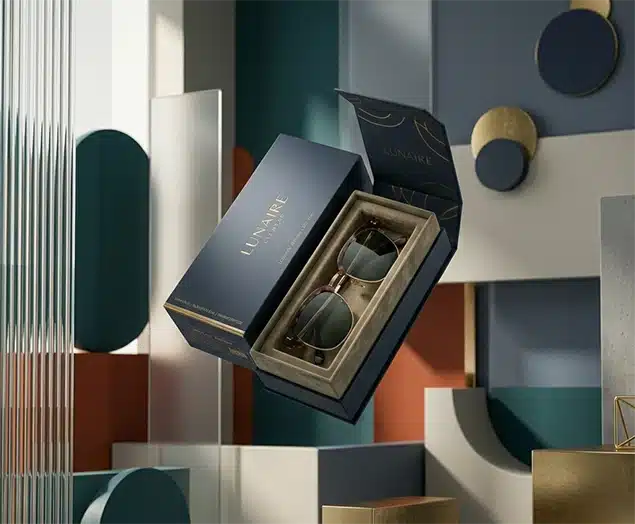
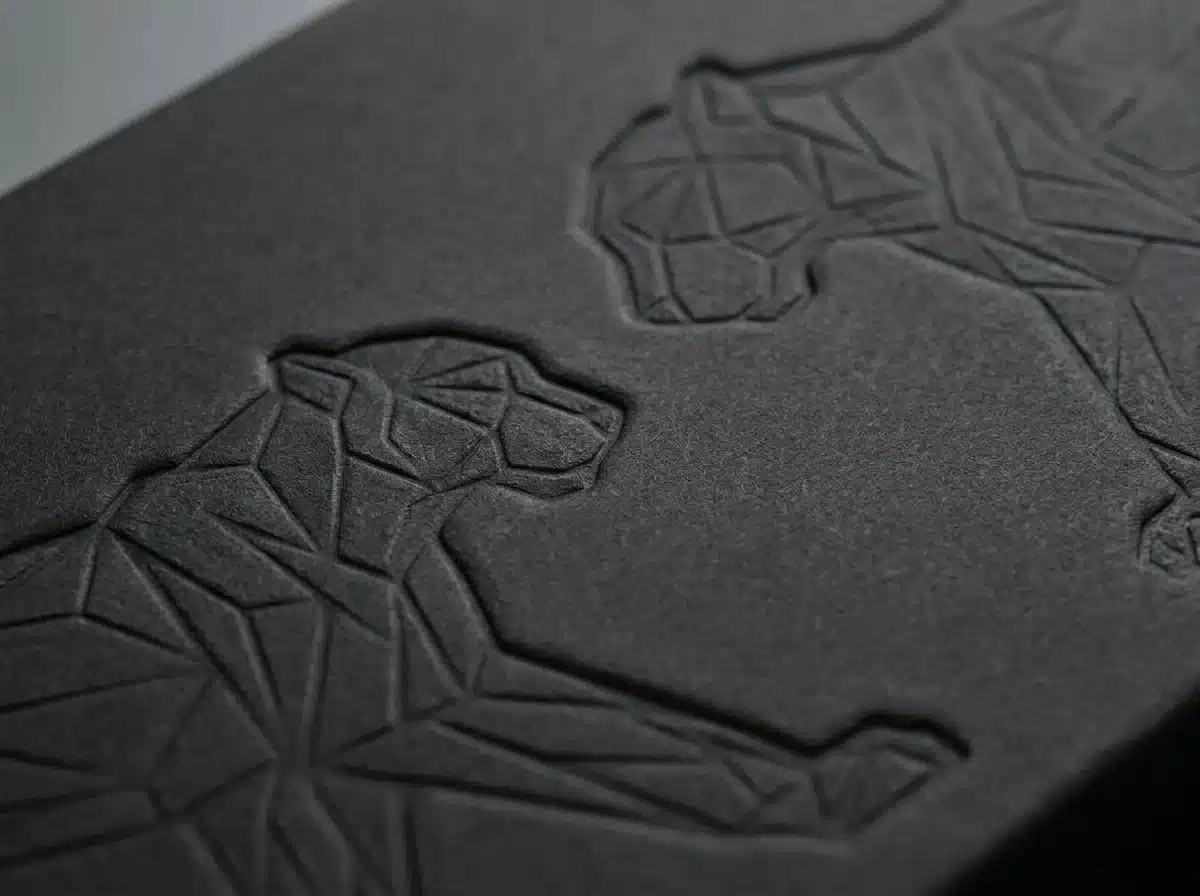
Tactile minimalism is a response to visual overload. Instead of relying on loud graphics, brands are using embossing, debossing, soft-touch coatings, sculptural forms, paper texture, blind logos, and subtle dimensional details to create a premium feeling.
This trend is particularly strong for luxury packaging, perfume packaging, skincare packaging, jewelry packaging, and gift packaging. The design may look quiet at first glance, but the customer remembers how it feels.
GVPAK perspective: tactile minimalism puts pressure on manufacturing quality. When there is less printing and decoration, every edge, fold, surface texture, embossing depth, and box fit becomes more visible.
How These Trends Affect Real Packaging Decisions
The main mistake brands make with trend-driven packaging is choosing the idea before defining the packaging job. A design may look beautiful in a mood board but fail when it reaches shipping, filling, shelf display, or customer use.
A more useful approach is to treat each trend as a design tool. AI personalization is useful when fast feedback adds value. Refillable packaging is useful when customers can easily repeat the behavior. Bio-based materials are useful when the material performance matches the product. Smart packaging is useful when extra information improves trust. Tactile minimalism is useful when the physical finish is strong enough to carry the brand.
| Trend |
Best Used For |
Production Watch-Out |
| AI-Personalized Packaging |
Early concept testing, market feedback, limited editions, regional campaigns, personalized gifting, and fast visual exploration. |
AI visuals still need structure checks, print feasibility review, color control, material planning, and production-ready artwork. |
| Refillable & Reusable Systems |
Beauty, skincare, homecare, fragrance, wellness, and premium lifestyle products. |
Test closures, refill fit, leakage, cleaning behavior, and customer instructions. |
| Bio-Based Materials |
Protective inserts, compostable structures, natural product lines, PPWR-aware packaging planning, and sustainable brand stories. |
Check strength, moisture resistance, coating needs, recyclability claims, disposal instructions, and material availability. |
| Smart Connected Packaging |
NFC interaction, traceability, authenticity checks, tutorials, refill guidance, loyalty journeys, and transparency content. |
Make sure the QR or NFC experience is useful, mobile-friendly, and maintained after launch. |
| Tactile Minimalism |
Luxury packaging, perfume boxes, skincare sets, jewelry packaging, and premium gift packaging. |
Control paper texture, embossing depth, soft-touch finish, box edges, and structural precision. |
A Practical Checklist Before Choosing a Creative Packaging Direction
Before building a new packaging concept around any 2026 trend, I would suggest asking a few grounded questions. They help separate a useful packaging idea from a beautiful but fragile concept.
- What should the packaging change? Shelf attention, unboxing emotion, refill behavior, sustainability perception, traceability, market response speed, or premium feel?
- Can the idea survive production? Check printing, material sourcing, assembly time, tolerances, finishing, and quality control.
- Does the customer understand it in seconds? Creative packaging should not need a long explanation to feel valuable.
- Is the trend connected to the product? AI concepts, smart NFC layers, refill systems, or tactile finishes should support the product experience, not distract from it.
- Can the brand maintain it over time? Limited editions, connected packaging, and AI-assisted campaigns require a content and production workflow, not just a beautiful design file.
Final Thought: Creativity Has to Earn Its Place
The best packaging trends in 2026 are not creative because they look different. They are creative because they make packaging work differently.
AI-personalized packaging can help brands move from internal guessing to faster market feedback. Refillable systems can make packaging worth keeping. Bio-based materials can turn structure into a sustainability story. Smart connected packaging can make a physical box feel alive. Tactile minimalism can make a quiet package feel premium.
For brands planning new Custom Sustainable Packaging Solutions, the question is not simply “Which trend looks best?” The stronger question is: which trend helps the product, the customer, and the brand story work better together?