Wet-Pressed Molded Pulp Packaging: A Simple Guide for Brands
September 30, 2026 · Marcus
Open a beautiful gift box. The bottle sits neatly in its own little pocket. The tray feels smooth and looks calm. Then comes the surprise: that tray can be made from paper fibers.
Meet wet-pressed molded pulp packaging. It gives plant fibers a three-dimensional shape. For a brand, the appeal is easy to understand: an insert can protect, organize and present a product at the same time. Here is what to know before you ask for a sample.
Illustration temporarily unavailable. Concept of a skincare gift box with an ivory molded fiber insert holding an amber bottle and jar
A tidy home for each product. AI-generated packaging concept; not a photographed customer project. Click to enlarge.
What is it, in plain English?
Molded pulp, also called molded fiber, is a material shaped from cellulose fibers. Cellulose is the main building material in plant cell walls. Wood pulp, recovered paper and some agricultural fibers can be used. The exact blend depends on the product.
Wet pressing describes a process. A damp, newly formed fiber part is pressed and dried in heated molds. Think of a shaped ironing press: heat helps remove water, while the tools guide the final form. This is an analogy, not the actual machine.
IMFA describes this family as Type 3, or thermoformed fiber. It is associated with smooth surfaces and well-defined shapes. Ask a supplier how its process works; trade names can vary. See IMFA’s beginner education hub.
Two words you will hear
Insert: the shaped tray inside a box. It holds the product in place. Tooling: the molds used to make that tray. A custom shape usually needs tools designed for it.
How does a bowl of fibers become a neat tray?
Prepare the pulp. Mix fibers with water.
Form the shape. Suction pulls water through a mesh mold. Fibers stay behind as a damp part.
Press and dry. Heated tools shape the part and remove water.
Finish and check. Depending on the design, add trimming or other finishing. Check the agreed dimensions and appearance.
Illustration temporarily unavailable. Simplified four-stage illustration showing pulp and water, forming, heated pressing and drying, and a finished fiber insert
From wet fibers to a shaped insert. AI-generated simplified process illustration; actual equipment and steps vary. Click to enlarge.
Why can it look premium?
An egg carton is one familiar member of the molded fiber family. It does not show the full range. Wet-pressed fiber can offer a smoother, more refined appearance. IMFA lists cosmetics, higher-end electronics and retail packaging among Type 3 applications. Source: IMFA.
For a brand, the design opportunity is in the whole unboxing experience. Give each item a clear place. Leave space for fingers. Use a finish that suits the outer box. A simple tray can feel considered when these details work together.
Smooth does not mean glossy plastic
Expect a fiber material, with its own look and feel. Set expectations using physical samples. Ask which surfaces are visible, how consistent the color will be, and what edge finish is acceptable. A render cannot answer those questions.
Where might it fit your product?
Skincare and perfume: explore a fitted insert for bottles, jars or a gift set.
Small electronics: explore separate spaces for the device and accessories.
Gifts and retail sets: explore a clean layout that keeps the contents easy to see and remove.
These are starting points for design, not promises of performance. A heavy glass bottle, delicate finish or long humid journey needs specific checks. For electronics, confirm any electrostatic protection requirements separately. Ordinary fiber is not automatically an approved antistatic solution.
Three design details that buyers often miss
Illustration temporarily unavailable. Concept close-up of an empty ivory molded fiber insert with rounded cavities, sloped walls and finger access
Small details matter: access, fit and rounded edges. AI-generated concept; not a dimensioned or tested design. Click to enlarge.
1. A close fit still needs breathing room
A tray should hold the product without making removal a struggle. Real bottles and trays vary slightly in size. Tolerance means the allowed size variation. Agree on it with the supplier. Test several real product samples, not just one perfect prototype.
2. Fingers need a way in
A small finger notch can make a big difference. Try the sample as a customer would. Can you lift the bottle easily? Does the tray rub the label or a painted surface? Does the product move when the closed box is gently handled?
3. The shape must leave the mold
Draft angle means a slight slope on a wall. It helps a molded part come out of its tool. IMFA defines the term here. Discuss steep walls, deep pockets and tricky shapes before finalizing the artwork. Let the supplier confirm what its tools can reliably produce.
Is it waterproof? Is it recyclable?
Water resistance needs a specification
A smooth surface does not tell you how the package handles water. A barrier is a treatment or layer used to reduce the passage of things such as water or oil. Additives and coatings can change performance. Source: IMFA’s material glossary.
Tell the supplier what exposure matters: humid storage, a leaking bottle or direct contact with a product. Ask for suitable tests on the finished design. A decorative insert around a sealed bottle has a different job from packaging that directly touches food.
Recycling depends on the finished package
The fiber is only part of the story. Coatings, films, glue and other components matter too. Ask whether the final construction has been assessed for the intended paper recycling route. Cepi’s laboratory method tests paper-based packaging under defined recycling conditions. Read the Cepi method overview.
Also check local collection rules. Technical recyclability and access to a recycling service are different questions. The FTC’s Green Guides explain why recyclable and compostable claims need evidence and, where appropriate, clear qualifications. Read the FTC’s guidance.
Avoid treating “paper-based” as proof of “plastic-free,” “home-compostable” or “lower carbon.” Ask for the material breakdown and evidence for each claim. A carbon comparison needs a defined comparison and study; this article does not claim a universal saving.
What should you ask before ordering?
Start with these six questions. They turn an attractive sample into a useful buying conversation.
What is in it? Ask for the fiber blend, recycled content if claimed, additives and any coating or film.
What will the final version look like? Agree on color, visible surfaces, edge finish and acceptable variation.
Will my real product fit? Send product samples, dimensions and weight. Agree on critical tolerances.
How will we check protection? Test the actual product, insert, outer box and shipping pack together.
What does the full quote include? Compare tooling, samples, unit price, finishing, packing, freight and lead time.
What can we honestly say on the box? Ask for evidence that matches the finished construction and sales market.
For shipping, choose a test plan that matches the distribution route. ISTA offers different procedures for different shipping conditions. A tray alone is not the complete test specimen. Explore ISTA’s test procedures.
A useful first-sample brief
“We need an insert for this product and box. Here are the dimensions, weight and real samples. The visible surface should look like this reference. Customers must remove the product easily. It will ship through this route and be sold in these markets. Please propose a material, design, test plan and complete quote.”
Start with a sample you can touch
Wet-pressed molded pulp is worth exploring when you want a shaped fiber insert with a refined appearance. The decision comes down to fit, finish, protection and evidence. Put the real product into a real sample. Then let the results guide the next step.
Reviewed on 30 September 2026. The associations and regulator below support the technical and claims guidance. Buying questions and the sample brief are editorial recommendations. All three images are AI-generated concepts, not customer case studies or test evidence.
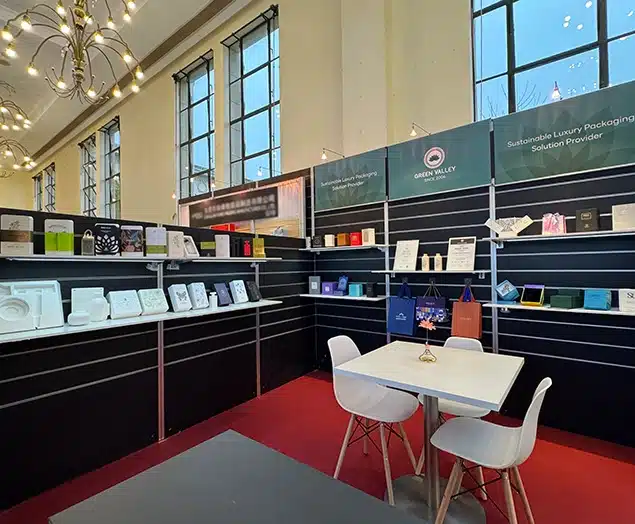
Dedicated to providing customers with one-stop solutions, from creative design to meticulous production and secure delivery, ensuring perfection at every step.